Get Full Government Meeting Transcripts, Videos, & Alerts Forever!
Get email alerts on the Social Services topic
No spam. Unsubscribe anytime.
High Point food alliance warns of sharp rise in need as local pantries struggle to meet demand
Summary
The Greater High Point Food Alliance told the council that partner agencies served 21,749 people in 2025, a 146% increase from 8,835 in 2022, and said SNAP eligibility changes have reduced statewide SNAP participation by about 19%, leaving local nonprofits stretched thin.
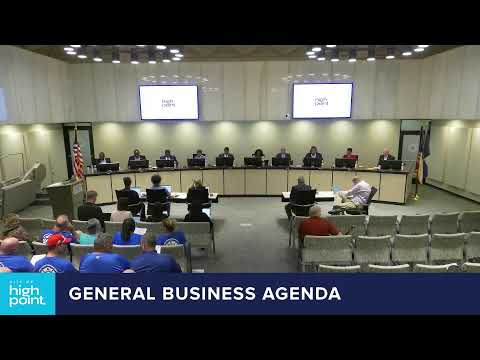
Rebecca Dobbins, representing the Greater High Point Food Alliance, told the council that local food assistance organizations are facing a "critical breaking point" as demand rises sharply and partner agencies struggle to keep up.
Dobbins cited data from Second Harvest Food Bank showing a 146% increase in residents seeking assistance since 2022, from 8,835 in 2022 to 21,749 in 2025, and said recent SNAP eligibility and regulatory changes have contributed to a roughly 19% decrease in SNAP recipients statewide. She described clients as working families, seniors and people on fixed incomes and urged continued council collaboration, advocacy and support for local nonprofits.
Why it matters: The spike in need, Dobbins said, means food pantries are being asked to do more while facing rising operational costs, volunteer shortages and funding uncertainty. The Food Alliance asked the council to prioritize collaboration and solutions that strengthen food access.
Council response and next steps: The meeting record shows the council listened to the presentation during public comment; no formal council action on food assistance funding or policy was recorded at this meeting. Dobbins said the Food Alliance will continue advocacy and partnership with city leaders and community organizations.
Ending: The public comment period concluded and the council proceeded to routine business; the food insecurity data was entered into the public record for council consideration.