Get Full Government Meeting Transcripts, Videos, & Alerts Forever!
Get email alerts on the Immigration Costs topic
No spam. Unsubscribe anytime.
Host asserts large deportation figures and links immigration to state fiscal strain
Summary
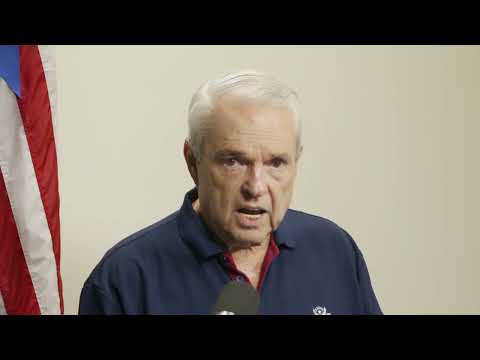
Bill Merrell asserted multi-administration deportation totals and cited a FAIR study claiming Pennsylvania spends hundreds of millions on services for undocumented immigrants; he framed the figures as a burden on future taxpayers but did not provide documentary evidence on the broadcast.
On the program, Bill Merrell discussed immigration and deportation figures, attributing large numbers to several presidential administrations and citing a FAIR study’s estimates of state spending. He said, for example, “Clinton deported 2 million. Or Bush 2 million. Obama 5 million. … Biden, 4 million. Now Trump, 600,000 with protest and riots.”
Merrell also cited an independent study (identified on the show as from FAIR) and said Pennsylvania was spending “938 million for education, 402 million for health care, and general services of 301 million,” and he summarized total costs as “$1,642 million.” He used those figures to argue that future generations—students now in school—would bear the fiscal burden.
The host presented those numbers as part of a broader argument that immigration and government spending on services for undocumented immigrants are fiscally significant. The broadcast did not include original documents, budget breakdowns or direct on-air source material; the figures were reported as the host’s summary of external studies and news items.
What the broadcast did not do: the program did not provide primary data files, citations that would allow immediate on-air verification, nor did it offer a formal accounting of how the cited dollar totals were calculated or which agencies’ budgets they reflect.
Why it matters: assertions about deportation totals and state spending influence public debate about immigration policy and budgeting; they also require precise sourcing to be evaluated. On the program, these claims were offered as commentary and pointed listeners to study assumptions rather than presenting audited totals.