Get Full Government Meeting Transcripts, Videos, & Alerts Forever!
Get email alerts on the Energy Security topic
No spam. Unsubscribe anytime.
Senate committee questions secretary on Strait of Hormuz, energy shocks and supply diversification
Summary
A committee member questioned the secretary about energy shocks linked to disruptions in the Strait of Hormuz and their effect on Indo‑Pacific allies; the secretary cited limited releases from strategic reserves and temporary access to oil on the water and urged longer‑term diversification of supply.
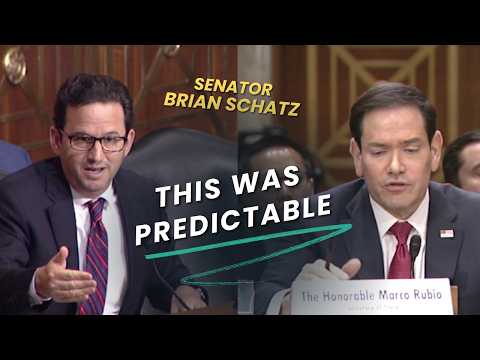
At a Senate Committee on Indian Affairs hearing, a committee member pressed the secretary about energy emergencies in Indo‑Pacific allies, saying the Marshall Islands, the Philippines and Tuvalu had declared national energy emergencies and South Korea described its situation as "war like." The member asked what the United States could tell allies facing sharply higher fuel and input costs tied to disruptions in the Strait of Hormuz.
The secretary said the administration has taken short‑term steps to alleviate market pressures, including releases from strategic petroleum reserves and making "available for limited period of time both Iranian oil on the water ... and some of the Russian oil on the water as well." He cautioned these are temporary measures and emphasized the need for longer‑term diversification of supply.
The secretary quantified regional reliance, saying "the Straits of Hormuz provides about 20% of the global oil supply, it is probably 80 or 90% of the supply in the Indo‑Pacific," and argued that diversification, including increased U.S. exports to partners such as Japan, will take time but is necessary to reduce vulnerability.
Why it matters: Committee members framed the disruption as both an immediate economic shock for allies and a strategic risk because limited actors — Iran and nonstate groups such as the Houthis — can substantially disrupt maritime traffic through mines, attacks or other means. The hearing reflected congressional concern about whether short‑term market steps are sufficient and how the U.S. will support allies while pursuing longer‑term energy diversification.
The committee did not vote on any energy measures at the hearing; members signaled continued oversight and interest in follow‑up briefings.