Get Full Government Meeting Transcripts, Videos, & Alerts Forever!
Get email alerts on the Us Foreign Policy China topic
No spam. Unsubscribe anytime.
Committee member questions China visit, NVIDIA chip sales and U.S. assurances
Summary
At a Senate Committee on Indian Affairs hearing, a committee member pressed the secretary over a presidential trip to China, arguing it produced commercial concessions while undermining U.S. assurances on Taiwan and allowing advanced NVIDIA chips to reach large Chinese buyers; the secretary defended engagement as a tool for strategic stability.
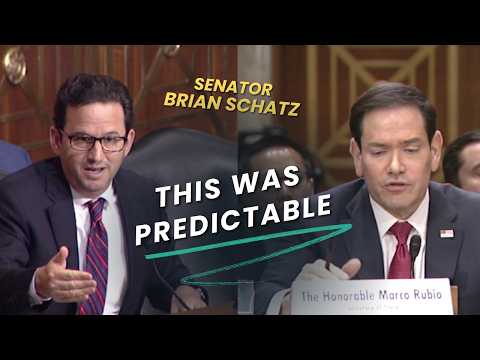
At a hearing of the Senate Committee on Indian Affairs, a committee member pressed the secretary to respond to critics who say a recent presidential visit to China yielded concessions for Chinese buyers while delivering little strategic benefit to the United States. "It's pretty plain that the president violated one of the six assurances," the committee member said, and raised concern that NVIDIA chips are now "going to sell to hundreds," a development he said worries China watchers.
The member cited recent commercial transactions, including purchases of additional Boeing aircraft and unspecified agricultural concessions, and asked why U.S. engagement should include technology transfers that could complicate longstanding assurances on Taiwan.
The secretary defended in‑person diplomacy, saying the trip was aimed at maintaining direct interaction between "the two largest, most powerful countries in the world" and promoting strategic stability. "He will reciprocate by visiting the United States later next year," the secretary said, and described some commercial deliverables as part of that engagement.
Why it matters: Committee members framed the exchange as weighing short‑term commercial transactions against longer‑term national‑security assurances. The committee member argued that selling advanced chips and other concessions can undercut U.S. leverage on Taiwan policy; the secretary framed the visit as a vehicle for stability and continued dialogue.
The exchange highlighted a persistent oversight tension in Congress: how to balance economic diplomacy and trade with safeguards on advanced technology and explicit policy assurances. The committee did not take any formal action on technology export policy during this hearing; members signaled continuing interest in briefing the Appropriations Committee on related items.
The hearing transcript records the committee member’s allegations about assurances and chip sales and the secretary’s defense of engagement; it does not include a formal finding on whether any assurances were legally or procedurally altered.