Get Full Government Meeting Transcripts, Videos, & Alerts Forever!
Get email alerts on the Family Law topic
No spam. Unsubscribe anytime.
Appeals Court weighs property division where parties say they thought they were divorced
Summary
In a contested family-law appeal, counsel disputed whether the trial court correctly treated spouses as a marital partnership under G. L. c. 208, § 34 when one party allegedly believed she was unmarried for many years; appellee argued legal marital status controls. Panel took argument under advisement.
The Appeals Court heard argument in an unusual property-division appeal over whether a trial court properly applied G. L. c. 208, § 34 to divide assets when one spouse contends the parties believed they were not married for most of their relationship.
Counsel for the appellant said the trial court's equitable division rested on findings that the parties functioned as a marital partnership, even though the wife allegedly thought they were divorced or unmarried after an earlier ceremony. The appellant's lawyer argued there was no co-mingling of assets, no financial partnership, and that the primary contribution was child-rearing—an issue better addressed through child-support remedies (counsel noted remedies under G. L. c. 209C in argument), not a property division under § 34.
"There has to be a finding under the statute of spousal contribution," counsel argued, pressing the panel to consider whether a legal mistake about marital status should preclude division under § 34.
Appellee counsel Gigi Hodo Walker told the court the parties were legally married, that legal status is not altered by a party's mistaken belief, and that the trial court correctly analyzed the statutory factors, including the wife's primary devotion to the child. Walker asked the panel to affirm the court's discretionary division, noting the trial court's credibility findings and the fact-intensive nature of § 34 analysis.
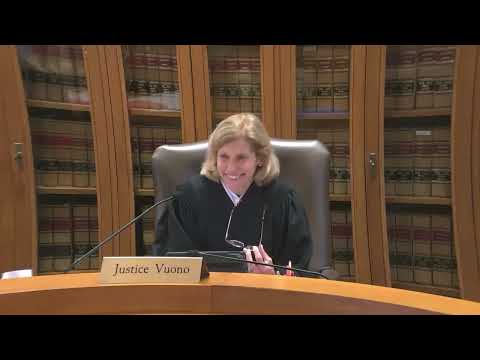
Justices pressed both sides about whether the court should 'toll' or discount years when the parties believed they were unmarried, whether caring for the child during that period counts as a marital contribution, and whether retroactive child-support remedies could have addressed the appellant's claims. The trial court's division and its handling of potential judicial estoppel were central topics of questioning.
No ruling was announced; the panel said it would take the matter under advisement and issue an opinion after reviewing the record.
What to watch: the decision will affect how courts treat parties who mistakenly believed they were unmarried and whether contributions made during that period can support an equitable property division under § 34.