Get Full Government Meeting Transcripts, Videos, & Alerts Forever!
Get email alerts on the Utilities topic
No spam. Unsubscribe anytime.
Waverly board tables proposed 2025 water and sewer rate increases after infrastructure debate
Summary
The Waverly town board reviewed options to raise water and sewer rates — citing a stalled grinder, failing hydrants and aging pipes — but after public and board concerns voted to table the proposal for further study and public explanation.
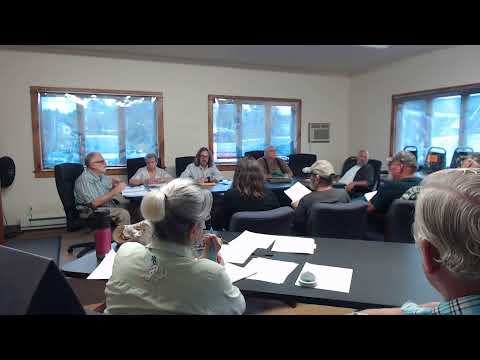
The Waverly Town Board spent much of the meeting debating proposed 2025 increases to water and sewer rates before voting to table the matter for further review.
A presentation to the board laid out multiple scenarios for next year: 10%, 20% and 30% increases were shown for residential water accounts and several percent tiers for sewer. The presenter noted the town has not raised water and sewer rates since 2009 and provided line-item examples for several large users, including the school, local businesses and multiunit housing.
Board members and members of the public pressed for clearer justification. Speakers emphasized infrastructure needs: a broken grinder at the sewage treatment plant that will likely be expensive to remove and repair, widespread underground piping and connection failures, and nonworking fire hydrants that must be replaced. One board speaker estimated the cost to replace major lines and hydrants could be in the “several million” range and said a master list of capital needs is required before final decisions.
Members raised distributional fairness concerns, noting that some community facilities such as the American Legion and churches use the system sporadically yet pay flat connection rates. Commenters urged smaller, phased increases instead of a single large jump, and asked the board to provide a clear written explanation and billing examples before enacting any change.
After deliberation a board member moved to table the proposal; the motion was seconded and passed. The board directed staff to prepare explanatory materials and additional cost estimates so members and residents can review the infrastructure needs and potential rate impacts before the board takes further action.