Get Full Government Meeting Transcripts, Videos, & Alerts Forever!
Get email alerts on the Housing Small Lots topic
No spam. Unsubscribe anytime.
New York City Council proposes construction-code changes to turn small vacant lots into housing
Summary
The New York City Council presented a plan to update construction rules to enable development on roughly 3,000 underused small lots across the city, saying the changes could unlock as many as 35,000 homes and announcing a new advisory group on housing affordability.
The New York City Council unveiled a proposal to change construction rules so small, vacant lots across the five boroughs can be developed for housing, saying the updates could open the door to as many as 35,000 new homes.
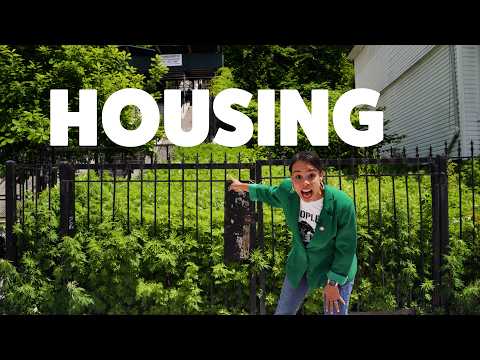
A council member introduced the plan by holding up small lots as an overlooked resource in the city’s housing crisis, saying, “This could be housing.” The presentation noted the council has identified about 3,000 such lots that are often fenced, overrun with trash and weeds, and vacant for decades.
The council framed the proposal as a response to rising housing pressure. “Rents are too damn high. Vacancies are at historic low, and working families are struggling to stay in the communities that they truly love,” the council member said, arguing that regulatory barriers have prevented these parcels from being used for housing.
To address those barriers, the council outlined “smart updates” to the construction code intended to reduce costs and complexity for building on small lots. Officials said the changes could allow development of up to 35,000 homes citywide, including units in the Bronx, and emphasized the plan aims to proceed “without lengthy and expensive rezonings.”
The council also announced a new advisory group on housing affordability that it said will bring together experts to guide implementation and help ensure the approach balances neighborhood needs and building standards. The presentation closed with the slogan, “Small lots, big impact.”
No specific bills, vote counts, timelines for legislation, or financing mechanisms were described during the remarks; the council’s statements focused on the concept, the identified inventory of lots, and the proposed code updates as next steps.