Get Full Government Meeting Transcripts, Videos, & Alerts Forever!
Get email alerts on the Budget topic
No spam. Unsubscribe anytime.
Travis Unified previews tentative budget; district cites state COLA, special-education boost and one-time grant
Summary
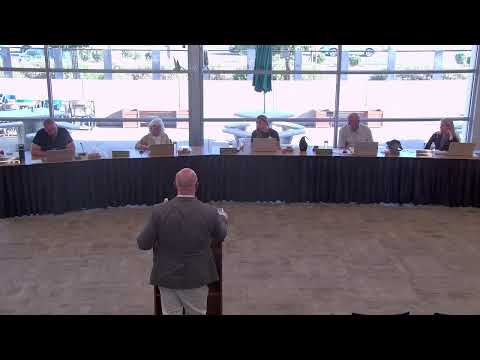
At a board briefing, Travis Unified staff outlined a tentative budget showing roughly $98.1 million in revenue, $94.6 million in expenditures and reserves near $20.6 million. Officials said a state COLA, a proposed special-education increase and a $5 million one-time block grant underpin the figures and enable multi-year labor offers.
District staff presented a preview of next year’s tentative budget at a board briefing, saying projected revenues total about $98.1 million and expenditures about $94.6 million, leaving reserves (including Fund 17) near $20.6 million, or about 21.8 percent.
“The two-year agreement will be good for the district, providing stability and giving us an opportunity to focus our attention where it belongs, and that's on students,” said Gabe, the staff presenter, opening the budget overview and tying bargaining proposals to the revenue outlook. Staff said the district expects state actions in the governor’s May revise to hold—particularly a proposed COLA and an increase to special-education funding—allowing the district to keep reserves above 20 percent while proposing multi-year compensation for employees.
Staff described three large state items shaping the budget: a COLA proposal (presenter cited the governor’s May revise figures), a substantial proposed increase in special-education funding that the district estimates will translate to roughly $1.7–$1.8 million for Travis Unified, and a proposed one-time discretionary block grant of about $5 million. The presenter cautioned that the block grant may be coded as restricted in accounting even if legislative language allows broad district discretion.
Attendance trends and LCFF mechanics were a focal point: staff said average daily attendance fell during the pandemic from roughly 5,380 to about 4,952 and has only partially recovered. Because LCFF funding is driven by ADA and the unduplicated pupil percentage, trustees asked whether the district can increase its unduplicated count. Gabe said data-collection improvements (moving from paper to a digital survey during registration) drove the district’s reported rise in unduplicated percentage from about 28 percent in 2020 to about 45.2 percent this cycle, but that final audits and verification could slightly adjust the rate.
Restricted revenue projections listed federal programs (titles I–IV) at about $650,000 and special-education revenue projected at about $5.36 million (including the May revise increase). Staff noted a separate $1.6 million expected from the state zero-emission school bus incentive grant to offset electric-bus purchases and said the bus arrivals and charging infrastructure are planned for later in the fiscal year.
On the expenditure side, salaries and benefits remain the largest category—about $74.2 million—followed by services, supplies and capital. Staff said special-education costs exceed the restricted revenues available, requiring an estimated $16.2 million contribution from the unrestricted general fund to cover the gap. The presentation also noted one-time capital costs (including roughly $1.861 million for electric buses and chargers) and ongoing operating costs such as utilities (~$2.5 million), insurance (~$1.3 million) and technology (~$900,000).
Trustees sought follow-ups on several items: whether state bond-match funds are recorded in a building fund (staff: yes), more detailed breakout of Measure R spend-rate and an online tracker (staff said a regularly updated bond project tracker is already posted and will be shared), clarification on which special-education costs are salaries versus contracted services (staff: both; some specialized roles are contracted due to statewide shortages), and the extent to which one-time funds are being used to cover ongoing expenses.
Next steps: staff told trustees they will present the formal budget materials and recommended resolutions at next week’s meeting and provide the requested bond and fund-detail links in advance.
Provenance: topicintro SEG 185; topfinish SEG 1706.