Get Full Government Meeting Transcripts, Videos, & Alerts Forever!
Get email alerts on the Animal Welfare topic
No spam. Unsubscribe anytime.
Chesapeake Animal Services urges fosters, donations as shelter handles surge in kittens
Summary
Chesapeake Animal Services says it took in more than 700 kittens last year and is asking residents to foster, donate kitten milk replacer, heating pads and other supplies during "kitten season." The shelter and Chesapeake Libraries are running a May donation drive; foster applications are on the shelter website.
Chesapeake Animal Services is asking residents to help as "kitten season" strains shelter resources, saying the agency took in more than 700 kittens last year between March 1 and Halloween. "Last year from March 1st until Halloween, we took in over 700 kittens," said Kasey Gallardo, Volunteer and Foster Coordinator for Chesapeake Animal Services.
Gallardo said kitten season typically begins in early spring and can run into late fall, with warmer weather and unspayed community and feral cats driving sharp increases in litter sizes. "A lot of it, we have a lot of community cat colonies and feral cat colonies," Gallardo said, noting many of those cats are not spayed or neutered.
Shelter staff described the operational burden: kittens can arrive only days old and require more staff time, space and specialized care than adult animals. "The kittens are fragile," Gallardo said. The shelter relies heavily on foster homes to socialize young cats, feed and care for them, and return them to the shelter when they are ready for adoption.
Gallardo urged residents who find kittens to observe first and give the mother time to return. "Kittens are always better off with their mom. Give mom some time to come back," she said. If the animals are in immediate danger or loudly distressed, Gallardo advised moving them to a safe, warm box and contacting the shelter for pickup.
She also cautioned against feeding kittens cow's milk. "Don't try to feed them," Gallardo said. "You can actually kill a kitten if you feed it cow's milk." Instead, people should contact a rescue or the shelter or follow guidance from experienced foster volunteers.
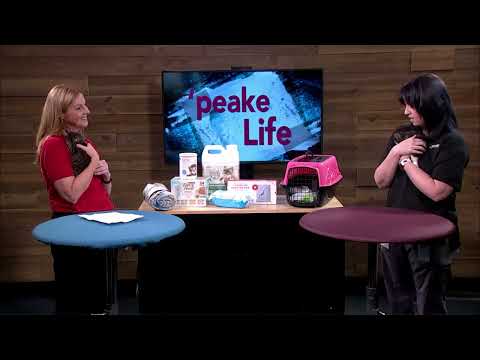
To support fostering, Gallardo said the shelter provides supplies so foster volunteers do not have out-of-pocket expenses. The agency listed high-need items during kitten season: kitten milk replacer, wet kitten food, kitty litter, heating pads (for kittens under 1.5 pounds), baby wipes, blankets and carriers. "Kitten milk replacer . . . is pretty pricey, so we ask for donations for that," she said.
Chesapeake Libraries are partnering with the shelter for a May donation drive during Adopt-A-Pet Month. Gallardo said donors can drop supplies at any Chesapeake library, at the shelter, or buy from the shelter's Amazon wishlist, and that lists of needed items are available on the library and shelter websites.
Residents who want to volunteer or foster can apply on the shelter website; Gallardo said the shelter will provide training and that she, as Volunteer and Foster Coordinator, follows up with applicants. She also noted that fosters may decline very young "bottle" babies if they are not prepared to provide that level of care.
For more information on fostering, donating or volunteering, Gallardo directed listeners to the Chesapeake Animal Services website and the Chesapeake Libraries' pages for the donation drive. The program concluded with host Karen Meyers thanking Gallardo and the kittens.