Get Full Government Meeting Transcripts, Videos, & Alerts Forever!
Get email alerts on the Afterschool Programs topic
No spam. Unsubscribe anytime.
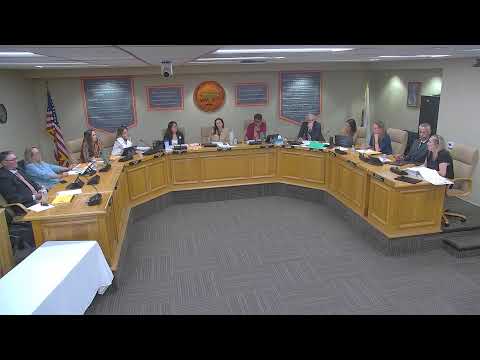
Parents and Boys & Girls Clubs urge district to reconsider afterschool provider changes; district recommends site‑level decisions
Summary
Parents, students and Boys & Girls Clubs officials told the Atascadero Unified board they were disappointed by a move toward a single‑provider model for expanded learning; district staff said one‑time funds that supported programs have ended and encouraged site‑level funding solutions and partnerships.
Multiple public commenters urged the Atascadero Unified School District board to preserve locally trusted afterschool programs after staff described a shift toward a decentralized funding model as one-time grants expire.
What speakers said: Maria Fabula, CEO of Boys and Girls Clubs of the Mid‑Central Coast, told trustees she was "disappointed" by the district's decision to move toward a single‑provider model for expanded learning services. She outlined the organization's nearly 60‑year presence in the region, cited program outcomes (including a reported 17.8 percent increase in math assessment scores at Crestston Elementary), and said the change severs relationships young people and families rely upon.
A student (Brady Tur) and classroom teachers also spoke: Brady described the Crescent Boys & Girls Club as "more than a place to hang out," listing homework help, life skills and social supports now at risk if the school vendor arrangement ends. Karesa Plains teachers praised district support for field trip transportation and site fundraising that enabled extracurricular experiences for small schools.
District response: Fiscal leaders explained One Cool Earth and similar enrichment programs were supported with varying blends of centralized funds, site funds and one-time grants in recent years. With those one-time grants exhausted, the district recommended empowering site administrators to decide which enrichment programs to continue and how to fund them (site lottery funds, Proposition 28, PTA/parent fundraising or local partnerships). Staff said the district would prioritize core, district‑wide obligations while preserving pathways for schools that can secure local support.
Calls for data: Trustees and several commenters asked that program partners collect outcome data to clarify benefits and help site leaders make funding decisions; parents said they would pursue PTA and community partnerships to sustain valued programming.
What happens next: District staff asked One Cool Earth and other partners to engage with individual school sites and submit outcome information for the district to consider. The board emphasized the importance of local advocacy and cross‑site collaboration to keep gardens, afterschool activities and hands-on enrichment available where priorities and funding align.