Get Full Government Meeting Transcripts, Videos, & Alerts Forever!
Get email alerts on the Tax Policy topic
No spam. Unsubscribe anytime.
Council approves tax exemptions for Restoration Housing properties and Angels of the CC animal clinic
Summary
Council approved tax exemptions for two Restoration Housing properties (Villa Heights Rec Center LLC and 1729 Patterson Ave LLC) and for Angels of the CC (animal clinic at 725 Franklin Rd). The tax‑exempt review committee had recommended against Restoration Housing’s request due to rental income; council approved the exemption after reviewing use, tenant services and community benefits.
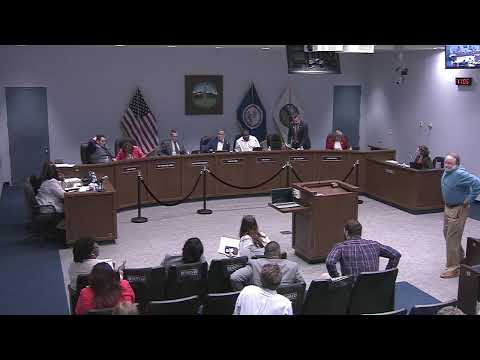
Rono City Council granted two separate real‑property tax exemptions on May 18. The first exemption covers two properties owned by single‑member LLCs tied to Restoration Housing (2750 Hoover Street and 1729 Patterson Avenue) that serve as nonprofit‑operated community facilities (arts/dog rescue/residential treatment programs). Deputy City Attorney David Collins explained that the tax‑exemption review committee had recommended denial because both LLCs receive rental income (the Grove reportedly pays about $3,000/month and Ronok Arts Reach about $2,600/month) and state law requires strict construction of exemptions. Isabelle Thornton of Restoration Housing described tight operating margins, large capital needs (e.g., a $10,000 heat‑pump replacement) and the nonprofit’s efforts to keep rents low for mission purposes. After deliberation council voted to grant the exemption.
The second exemption was for Angels of the CC (new facility at 725 Franklin Road). Staff said a prior exemption existed for the organization’s former parcel and the tax‑exemption review committee recommended approval for the new site; Lisa O’Neal, executive director, presented service volumes (spay/neuter surgeries, vaccinations, pet pantry) and council adopted the exemption ordinance unanimously.
Council members noted competing considerations: the legal requirement that exemptions be strictly construed, the fiscal impact on the tax base and the public services delivered by these nonprofits. Where the committee recorded concerns, council emphasized the organizations’ charitable uses and community benefits in reaching a different outcome.