Get Full Government Meeting Transcripts, Videos, & Alerts Forever!
Get email alerts on the Zoning Amendments topic
No spam. Unsubscribe anytime.
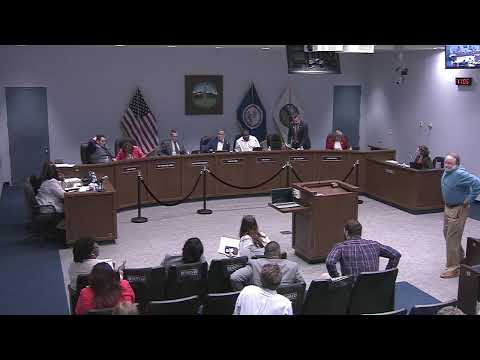
Zoning overhaul draws split turnout as council holds public hearing; vote deferred
Summary
A high‑turnout public hearing on broad zoning text amendments — housing density, housing design/parking, data‑center rules and a vape/tobacco siting ordinance — produced sharply divided testimony. Council opened the hearing but did not complete votes; some council members signaled they will separate votes and consider citizen proposals further.
City planners and a packed council chamber spent the evening debating proposed changes to Rono’s zoning code that would adjust residential density, add parking and design standards for multi‑unit housing, add a data‑center use category, and limit location of vape and tobacco retailers near schools.
Planning staff described the amendments as a response to the City Plan 2040 and prior 2024 zoning updates that expanded allowable housing types across neighborhoods. Staff said the 2024 changes encouraged “missing middle” housing but that the 2026 package focuses on scale, setback, parking and design to better fit neighborhoods. At the planning commission hearing the package was recommended 7–0 with a technical amendment related to alley parking accessibility.
The public response was sharply divided. Neighborhood groups and preservation organizations urged substantial rollbacks or a referral back to planning staff, saying the 2024 and proposed amendments enable demolition of early‑century homes and incentivize market‑rate replacements that weaken historic neighborhood character. The Renault Valley Preservation Foundation and multiple residents asked council to send the residential sections back to staff with citizen‑driven revisions.
Housing advocates, local developers and community partners pushed the opposite case: that the 2024 steps and the staff‑proposed 2026 refinements are necessary to increase the city’s housing supply, support walkable neighborhoods and undo regulatory barriers to small‑scale, incremental housing. A medical provider and student speakers linked constrained housing supply to health and workforce strain.
Other focused requests came from public‑health and environmental speakers regarding data centers and vape/tobacco rules. Julie Bivvens urged stronger zoning language for data centers including expanded public notice, traffic/environmental/water/power impact studies and a three‑mile protection zone for schools and medical facilities; public‑health representatives supported distance limits for vape/tobacco retailers from schools and parks.
Because the hearing generated many speakers and late‑night procedural constraints, the council did not complete action on the full package. Councilmembers signaled plans to split votes — separating vape/tobacco and some cleanup items for early action while sending complex residential density proposals and the data‑center language for further review and possible amendment. The meeting adjourned before final council motions on zoning; staff and council indicated follow‑up meetings and possible special sessions to handle the package in discrete votes.
What happens next: Council asked staff to prepare options that (a) separate the package into discrete votes, (b) show the citizen‑group alternative for residential rules, and (c) circulate a draft data‑center rule with added impact‑study and notice requirements for council consideration.