Get Full Government Meeting Transcripts, Videos, & Alerts Forever!
Get email alerts on the Trails Infrastructure topic
No spam. Unsubscribe anytime.
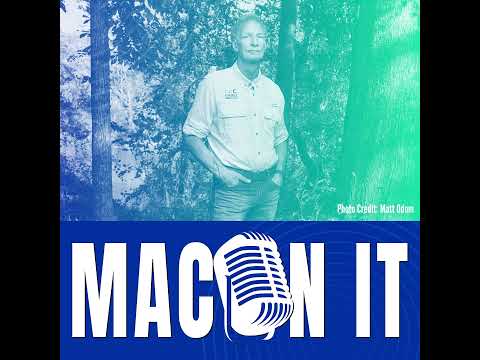
Retired city employee Bill Cosy outlines progress and hurdles for Mon’s river trail network
Summary
On Making Bib, retired city employee and long-time trail advocate Bill Cosy described how years of incremental land acquisition, partnerships with New Town Mon and GDOT bridge work shaped the river-trail master plan and why railroad rights, flooding and funding still delay key connections.
Bill Cosy, a retired long-time city employee and adviser on local trail projects, told hosts on the Making Bib podcast that the city’s river-trail network grew piece by piece through property acquisitions, partnerships and occasional political compromise. “We bought or acquire land as we do it,” Cosy said, describing a strategy of building the trail where land became available rather than completing a single continuous corridor.
Cosy traced the project’s origins to New Town Mon’s early advocacy and the hiring of the Path Foundation to study rail-to-trail conversions. Path found the nearby tracks were active, so planners pivoted to city-owned riverfront land between Coliseum Drive and the Spring Street bridge. “We did it anyway,” Cosy said of building the first segment along the river, noting initial public concerns about safety and flooding gave way to strong public demand for more trail miles.
Negotiations with large agencies shaped the plan: Cosy said GDOT agreed to convert a bridge over the river into trail use, while a separate bridge over the railroad was demolished. He said GDOT has committed to help the city seek grant funding for a pedestrian bridge in the same location after highway work is finished — a timeline he estimated could be several years. “It’s going to take money,” Cosy said, calling the pedestrian connection across the railroad and river a link the city “just can’t lose.”
Cosy outlined near-term projects already in design: a roughly 2,000-foot extension from the Emerson trail terminus with overlooks and benches, and a connection through Rose Hill Cemetery that would link downtown to existing river segments. He said plans are ready but that construction depends on identifying funding, with hopeful starts described as late summer or early fall if matches are secured.
Funding and maintenance are managed through local partnerships, Cosy said: New Town Mon often provides seed or match funds and Making Bib assumes ownership and upkeep after completion, but the arrangement strains maintenance capacity. He urged listeners to support a volunteer “Friends of Ammerson” group (a proposed name in the podcast) to help with litter pickup, workdays and small maintenance tasks that city crews cannot always prioritize.
Why it matters: Cosy emphasized that the trail is more than recreation — it is a connectivity project that links neighborhoods, parks and downtown and encourages everyday interaction. He described the corridor as a multi-agency challenge involving railroad rights, GDOT timing, flood-prone riverbanks and ongoing fundraising, and he framed the work as long-term incremental progress rather than a single construction campaign.
Cosy also recounted how his earlier municipal roles — including many years as an interim engineering official and a term leading public works during the Mother’s Day tornado response — informed his approach to long-running infrastructure projects, FEMA reimbursement processes and the trade-offs local governments face when budget priorities compete.
Next steps: Cosy said the group will continue design work while seeking grants and matches, and that the city will pursue a pedestrian bridge replacement after GDOT’s interchange project is complete. He encouraged public involvement through donations, volunteer maintenance and participating in trail events.
Sources: Statements on trail history, agency negotiations, planned extensions and funding arrangements came from Bill Cosy’s interview on the Making Bib podcast (guest remarks summarized from the transcript). No formal votes or ordinances were recorded on the episode.