Get Full Government Meeting Transcripts, Videos, & Alerts Forever!
Get email alerts on the Term Limits topic
No spam. Unsubscribe anytime.
Commissioners debate including three‑year reappointment clause in 12‑year term‑limit ballot language
Summary
Members of the New Canaan Charter Revision Commission debated whether ballot wording on proposed 12‑year term limits should include a clause allowing reappointment after a one‑term (approximately three‑year) absence, with some warning the extra text could bias voters and others saying the exception reduces unfair loss of experienced volunteers.
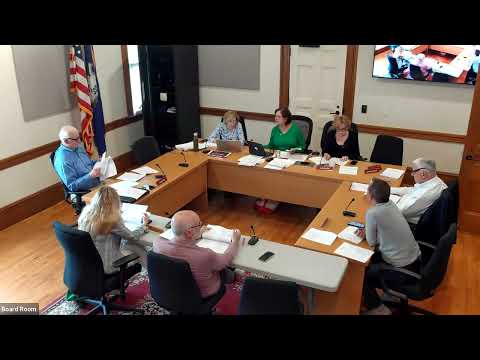
Members of the New Canaan Charter Revision Commission on June 2 debated how to frame a proposed ballot question that would impose 12‑year consecutive term limits on appointed town officers.
Kathleen, presenting the draft ballot language, said the question before voters would read, “Shall the current charter be changed to establish term limits not to exceed 12 consecutive years of service for appointed town officers on any appointed boards, commissions, or committees.” She told the commission the detailed exceptions in the charter are likely too long for a ballot question and that final wording is ultimately for the town clerk and town council to decide.
Several commissioners pressed to keep a short explanatory sentence inserted alongside the question to make clear that a person who reaches a 12‑year limit “is eligible for reappointment to that same body after an absence of one full term.” Supporters of that insertion argued it prevents voters from thinking experienced members would be permanently lost and therefore could reduce opposition to term limits. “Three years is included in that,” one commissioner said, urging the reappointment language be retained.
Opponents said any extra explanatory text risks steering voter interpretation. One commissioner warned that adding exceptions or clarifying parentheticals on the ballot could create bias through simple framing; another argued drafting that kind of explanatory language is the town clerk’s and council’s responsibility. Legal counsel Nick noted the commission can propose language but the town clerk and council control final ballot phrasing and stressed the commission should be mindful of state rules about what may appear on a ballot.
The commission agreed on the high‑level topics the five ballot questions will cover but did not reach a final vote on including the reappointment clause in the ballot text. Kathleen said she would remove the temporary redlines and return with a new draft for the commission and that the town council will consider final language after its public hearing on June 10.
Next procedural steps: the town council’s public hearing is scheduled for June 10; the CRC plans to meet June 16 and may meet again June 18 if council feedback arrives late.