Get Full Government Meeting Transcripts, Videos, & Alerts Forever!
Get email alerts on the Wetlands topic
No spam. Unsubscribe anytime.
Board approves ambulance-bay canopy plan, flags larger wetland dredging need
Summary
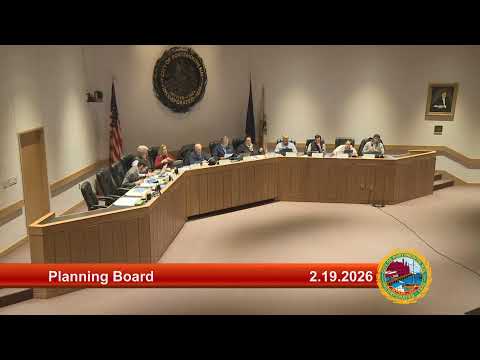
The Planning Board approved HCA Health Services’ request to widen an ambulance approach and add an overhead canopy at 333 Borthwick Ave, while public-works staff said significant sediment removal in the adjacent swale will be needed to restore historic drainage patterns.
The Portsmouth Planning Board voted to grant a wetland conditional-use permit to HCA Health Services’ applicant for work at 333 Borthwick Avenue to widen an ambulance approach sidewalk to 12 feet and install a canopy at an ambulance bay, increasing impervious area by roughly 730 square feet within the 100-foot wetland buffer.
Chris Acres, an engineer with Catalyst Design Group, told the board the project replaces a narrow garage bay door, widens the ambulance sidewalk and adds a canopy to improve patient movement between ambulances and the hospital. Acres said the project team increased landscaped area to mitigate new impervious surface.
Public Works’ Dave Defosis raised a broader drainage concern tied to the hospital property: long-term sedimentation in a swale behind the site has raised pond levels and interfered with historic flows. Defosis told the board that, based on GIS analysis, "to get the flow line of the swale back to original condition, somewhere around 18 inches of sediment needs to be removed from the swale," and described multiple localized deposits and small check dams that block flow.
Board members probed whether the local drainage problems would be addressed as part of the hospital permit. Staff and the applicant said the canopy and sidewalk project is focused and relatively small, while larger dredging or swale-restoration work would require a separate, more extensive wetland permitting process. Public Works indicated the city will pursue a broader wetland permit to remove sediment and restore the swale corridor, which drains extensive acreage including nearby wellfields and commercial ponds.
After questions and no public opposition, the board voted to adopt the findings in the staff memo and grant the wetland conditional-use permit subject to the conditions listed in the staff recommendation.
The board’s decision allows the canopy and sidewalk work to proceed under the listed conditions; separate permitting and coordination will be required for any dredging or larger swale-restoration effort.
What’s next: The applicant may return with construction-level details and coordination documents required by the conditions; the city’s public-works group and conservation reviewers indicated a follow-on wetland permitting process will be needed for dredging and swale restoration.