Get Full Government Meeting Transcripts, Videos, & Alerts Forever!
Get email alerts on the Land Use Variance topic
No spam. Unsubscribe anytime.
Board approves variances for 25 Sims Avenue, neighbors warn of increased stormwater risk
Summary
After hours of testimony from engineers and more than a dozen neighbors citing springtime ponding and shallow bedrock, PortsmouthBoard of Adjustment voted 4 to 3 to allow a 5,000-square-foot lot at 25 Sims Avenue to be developed as a single-family home; opponents said the decision could worsen flooding without enforceable monitoring.
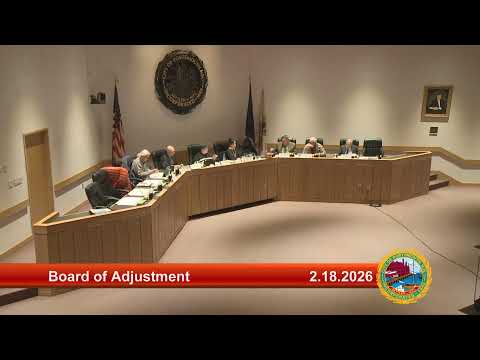
The Portsmouth Board of Adjustment voted 4 to 3 on Feb. 18 to grant variances that allow a re-established 5,000-square-foot lot at 25 Sims Avenue to be developed with a single-family house.
Attorney Tim Phoenix, representing the applicants, told the board the lot was created in 1918, was legally "unmerged" by the city and can accommodate a 946-square-foot house that meets all dimensional setbacks. Phoenix said legal precedent supports restoring lots that predate zoning and argued denial could amount to an uncompensated taking of the property.
Engineer Bruce Scamman presented a stormwater design he said would reduce runoff and hold water on site through a stone infiltration trench at the building drip line. "We have a reduction in overall flow and volume after our design," Scamman said, adding that the system will need routine maintenance.
Neighbors and abutters, however, urged denial. Cassie Saltz and other residents described chronic ponding behind the lots, a high water table, and a history of flooding they say has worsened after nearby tree removal. "Our backyard has become a local low spot for water," Saltz said, adding that a proposed trench sits close to existing ponding and might not function in high groundwater or winter conditions.
Corey Clark and other speakers raised questions about on-site soils and the absence of a municipal sewer on Sims Avenue, saying utility connections could require substantial work through bedrock and potentially disrupt access on the dead-end street.
Board members split over whether to give greater weight to Scamman's engineering testimony or to the neighbors' years of lived experience. Members who voted to approve said the applicant demonstrated that the house fits within a lawful building envelope and that the lot's historic record supported the variance. Members who opposed said the long-term performance and maintenance of the infiltration system were not guaranteed and that the potential for property-value impacts and basement flooding for downstream neighbors remained unresolved.
The board approved the application with the following vote: Mr. Rossi: yes; Mr. Ray: no; Mr. Lucas: yes; Mr. Manel: yes; Vice Chair Matson: no; Mr. Ram: no; Chair: yes, yielding a 4to3 result.
The decision permits the applicant to pursue building-permit review; the building permit and any utility connections will be subject to the city's separate technical review processes. The board did not adopt a maintenance covenant for the infiltration system as part of its approval. The applicant and neighbors were directed to pursue any additional measures with city departments during permitting.