Get Full Government Meeting Transcripts, Videos, & Alerts Forever!
Get email alerts on the Sea Level Rise topic
No spam. Unsubscribe anytime.
Portsmouth council accepts $10 million climate grant, authorizes seawall planning with Strawberry Bank Museum
Summary
The Portsmouth City Council accepted a $10 million grant from Martha Fuller Clark and authorized the city manager to enter a sea-level rise plan with Strawberry Bank Museum; staff said $1 million would fund research and engineering studies for a proposed seawall at the Piscataqua River mouth.
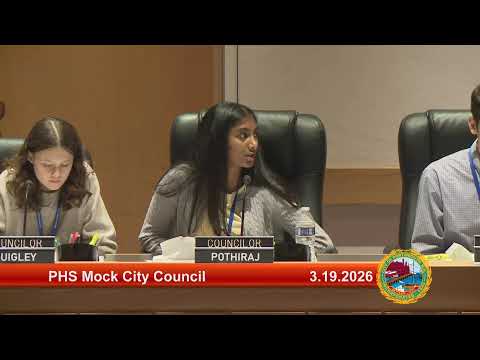
The Portsmouth City Council on March 19 accepted a $10 million grant and authorized the city manager to enter into a sea-level rise plan with Strawberry Bank Museum to study coastal protections at the mouth of the Piscataqua River.
City Manager McKenna told council the city would use part of the grant to plan long-term defenses against rising sea levels and said the proposal identifies an initial $1 million from the grant to fund research and engineering plans for the project. McKenna moved the council to approve the authorization and the motion passed by voice vote.
Maya from the Planning and Sustainable Development Department described the seawall option as “in the long run least expensive” and argued it would be less disruptive than repeatedly elevating individual buildings or placing a wall around Strawberry Bank, because relocation of residents could otherwise be required. Maya said the seawall would protect a broader area rather than individual houses one at a time and that other coastal cities have pursued similar measures.
Councilors framed the item as urgent planning work rather than a final construction decision. The motion before the body authorized the city manager to enter a planning agreement with Strawberry Bank Museum and to accept the listed grant; council did not vote to begin construction or set a construction budget at this meeting.
Next steps: staff said the initial planning funds would be used for engineering and research. Council directed staff to return with results and recommended scopes for design and permitting; any construction would require future council approvals and more detailed cost estimates.