Get Full Government Meeting Transcripts, Videos, & Alerts Forever!
Get email alerts on the Aoc Maintenance topic
No spam. Unsubscribe anytime.
Architect of the Capitol says AOC has more than $600 million in identified maintenance projects, cites Rayburn project challenges
Summary
At a House Committee on House Administration hearing Representative Miller pressed Mr. Austin, the Architect of the Capitol, on deferred maintenance and a maintenance backlog the agency says includes over $600 million in identified projects; Mr. Austin also flagged the Rayburn project, preventive maintenance steps, and heavy day-to-day workload.
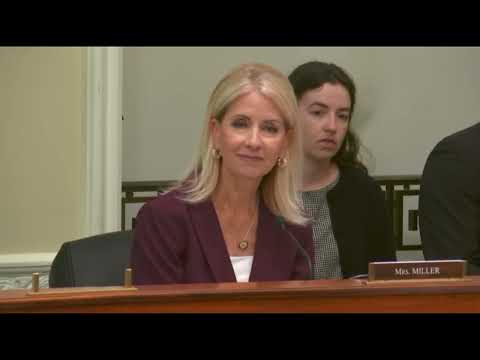
Representative Miller, the gentlewoman from Illinois, used her time at a House Committee on House Administration hearing to press Mr. Austin, the Architect of the Capitol, for clarification about deferred maintenance and the agency's maintenance backlog.
Mr. Austin, the Architect of the Capitol, told the committee that the maintenance backlog consists of identified and often scoped projects that remain unfunded or are deferred into future years. "We have over $600 million of identified projects that we're looking to do," he said, adding that delaying work simply shifts and increases the volume of required future repairs.
The exchange focused on what the AOC can do proactively. When Representative Miller asked how the agency facilitates proactive maintenance to avoid reactive failures, Mr. Austin credited agency staff and preventive programs while acknowledging hidden infrastructure challenges such as HVAC, plumbing and electrical systems that often surface only after they fail. "We do over half a million work orders a year throughout the Capitol campus," he said, and added that on-time work orders are over 95 percent. He described ongoing efforts to improve data tracking and predictive maintenance systems.
On large, discrete projects, Mr. Austin identified the Rayburn project as his most significant programmatic challenge, citing complexities in design, required swing space, phasing and the need to establish a firm course of action so work can move forward. He said timing is critical because increasing frequency and severity of system failures could more directly affect members, staff and visitors.
The committee heard definitions and operational context rather than specific new funding commitments. Mr. Austin declined to give granular cost breakdowns beyond the identified-project total, saying previously circulated numbers had understated the work that would be required. The hearing did not include any committee votes or formal actions on funding; it served as oversight questioning and an opportunity for the Architect to outline needs and process improvements.
The committee may pursue additional oversight or follow-up requests to reconcile project scoping, funding timelines and the Rayburn project's phasing; no next steps were recorded in the transcript excerpt.