Get Full Government Meeting Transcripts, Videos, & Alerts Forever!
Get email alerts on the Project Cascade Data Centers topic
No spam. Unsubscribe anytime.
Residents urge Arlington to ban data centers as Project Cascade prompts environmental and transparency concerns
Summary
Dozens of residents told the Arlington City Council they fear Project Cascade — which speakers say will be occupied by Amazon — could strain water, power and traffic, and several urged the council to adopt an ordinance banning medium and large-scale data centers before the project advances.
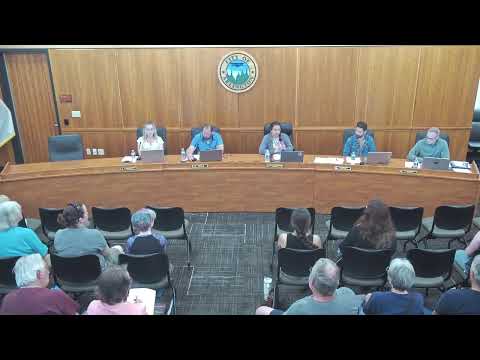
Hundreds of residents’ concerns about a proposed development known as Project Cascade dominated public comment at Arlington City Council’s June 1 meeting, where multiple speakers said the site is slated to be occupied by Amazon and urged the council to act to limit or ban large data centers.
Michelle Stout, who identified herself as an Arlington resident, said Project Cascade — a roughly 114-acre site with wetlands and a high water table — could demand "9.5 megawatts" of power and heavy water use and warned of air and runoff risks to salmon habitat if industrial-scale infrastructure is built there. "We need an ordinance to ban large load data centers and large load warehouses of all sizes," Stout said.
Other speakers described a pattern of expedited rezoning and limited transparency. Julie Winell said she reviewed a 2020 Planning Commission meeting where she said David Toyer requested emergency rezones for parcels that later hosted large developments; she urged Arlington to look at Andover Township, New Jersey’s recent ordinance banning data centers as an example to follow.
Mario Ferrell pressed the council for a clear point of contact at Amazon and argued recent city moves — including work on an interlocal agreement with Marysville and changes to land-use code language — indicate urgency. "There appears to be a rush to get the land use codes updated with more flexibility and without adding data-center definitions, conditions or regulations," Ferrell said, and he urged an emergency ban while the city studies the issue.
Several commenters focused on potential community impacts: Gabrielle, a Marysville-area resident, asked whether the city’s transportation plan can accommodate the large number of workers some sources have suggested could be associated with the site; Amanda, a single parent and local business owner, said tax incentives and long abatements would worsen housing affordability while straining local utilities.
Carrie, another speaker, raised procedural questions about environmental review and whether the city should require an updated SEPA threshold determination for the parcel at 6600 172nd Street given the age of existing documents and a new developer; staff responded that more recent SEPA documents exist and offered to provide updated materials and follow up directly.
Council did not take any new regulatory action during the meeting. Council members and staff listened to commenters and encouraged continued engagement; staff committed to sharing updated SEPA materials with those who requested them.
The council’s formal business moved on after the public-comment period to routine agenda items and votes, leaving Project Cascade concerns to be addressed in future agendas or staff follow-up.