Get Full Government Meeting Transcripts, Videos, & Alerts Forever!
Get email alerts on the Municipal Fees topic
No spam. Unsubscribe anytime.
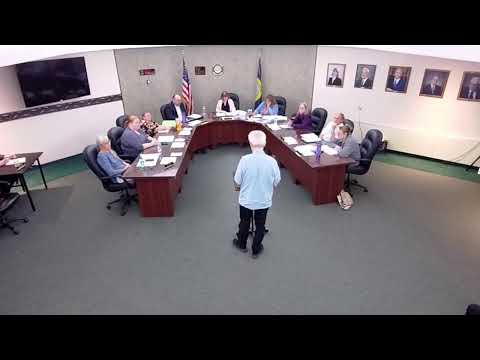
Caro council moves proposed fee schedule and utility rate increases to committee for more detail
Summary
The council declined to adopt an administrative fee schedule that included 3–4% utility increases and comprehensive fire-and-rescue fee changes, instead voting to send the measure to the committee of the whole so members can review current fee breakdowns and impacts.
On June 1 the Caro City Council deferred final action on Resolution 2026-07, which would adopt the FY 2026–27 fee schedule and administrative rates. The proposed changes included a 3% water-rate increase, 4% sanitation and refuse increases, and a comprehensive update of fire and rescue fees to better align with costs.
Council members repeatedly requested the current-fee baseline and more granular comparisons to see how much each typical household would pay under the increases. One councilor asked for a committee meeting to review the schedule and insisted they could not responsibly vote to raise fees without seeing the prior rates side-by-side with the proposed figures. Administration said water, sewer and trash changes were presented as straight-percentage adjustments and that an average homeowner would see about a $10 difference every two months under the proposed changes (city staff provided that average during the discussion).
A roll-call vote on final adoption produced a negative tally on the motion as presented (detailed individual votes in the transcript were not fully legible); council then approved a separate motion to move the fee schedule to the committee of the whole and to schedule that meeting promptly so councilors could review detailed fee tables before acting.
Why it matters: utility and service-fee increases directly affect residents’ monthly bills and require clear documentation so council members and the public can evaluate affordability and fiscal necessity.
What’s next: staff will post and distribute current fee schedules and convene the committee of the whole for detailed review prior to any final council vote.