Get Full Government Meeting Transcripts, Videos, & Alerts Forever!
Get email alerts on the Housing topic
No spam. Unsubscribe anytime.
Seattle council approves H.O.P. zoning changes to increase housing supply
Summary
The council passed Council Bill 121196 (H.O.P.) revising zoning and development standards across multiple neighborhoods to facilitate more housing, with supporters citing streamlined approvals and increased housing choices.
The Seattle City Council voted unanimously on June 2 to pass Council Bill 121196, the Housing Opportunities Package (H.O.P.), a package of rezones and code changes designed to increase housing supply and remove barriers to modular and mass-timber construction.
Councilmember Alex Lin, who presented the bill, credited the Office of Planning and Community Development and the mayor’s office for their work and said the measure targets specific sites in the University District, Fremont, Madison/Miller, Rainier Beach and downtown to enable additional housing and community-serving uses.
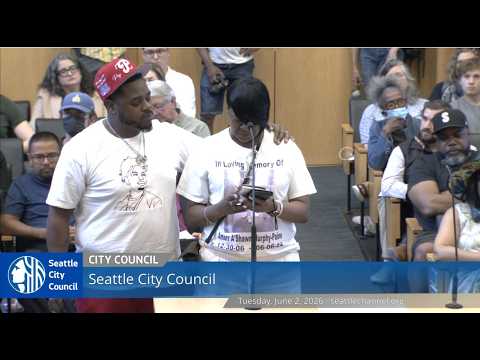
Members of the public—representing neighborhood coalitions and housing advocates including For Seattle, Habitat for Humanity, and neighborhood residents—spoke in favor during the public-comment period. Speakers cited permit delays, rising costs and the need for more housing choices; Habitat for Humanity’s Alicia Ruiz highlighted Liberty Commons as a development enabled by council support.
Several councilmembers, including Councilmember Strauss, emphasized the importance of preserving industrial lands where consensus is required. Councilmembers noted outreach efforts and said more engagement is needed in historically redlined communities; Councilmember Lin and others said targeted mailings and neighborhood outreach had taken place for affected areas.
The ordinance passed on a roll-call vote recorded as nine in favor, none opposed. Council members said departments should continue robust community engagement as implementation proceeds.