Get Full Government Meeting Transcripts, Videos, & Alerts Forever!
Get email alerts on the Land Use topic
No spam. Unsubscribe anytime.
Large Dinks & Links recreation proposal tabled after resident concerns about wetlands, noise and incomplete engineering
Summary
A proposed 39,100 sq ft indoor/outdoor recreation complex with multiple pickleball/volleyball courts, mini‑golf and other amenities was tabled after an extended public hearing. Neighbors, the conservation board and town engineers highlighted outstanding SWIP/stormwater, tree protection, buffering and jurisdictional wetland questions, and the board directed further coordination among the developer, Widewaters (landowner), engineering staff and conservation stakeholders.
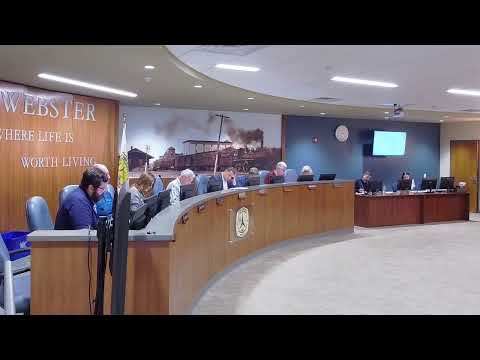
The Planning Board on June 2 tabled the Dinks & Links preliminary site plan application after a lengthy public hearing that drew multiple neighbors and board reviewers. The project, proposed by applicant Joe Catalani, would redevelop roughly 9 acres for an approximately 39,100 sq ft indoor/outdoor recreation complex with features that include pickleball courts, volleyball courts, miniature golf and associated parking and amenities (parcel references SPL 07910‑1‑1.11 and 07910‑1‑2.33).
Town engineering and the Project Review Committee (PRC) identified outstanding SWIP (stormwater) comments and noted drawings submitted so far lacked sufficient clarity on existing grades, limits of disturbance (LOD), earthwork quantities and how the new drainage would connect to existing retention ponds. At times board members and staff described the submitted drawing set as hard to read and asked for clearer full‑scale plans. There was extended discussion of jurisdictional wetland mapping and whether DEC or federal wetland authority applies; the applicant said the DEC had previously indicated no state or federal jurisdictional wetlands exist at this location under current interpretations.
Neighbors—many from an adjacent 55+ community—expressed concerns about noise from up to nine pickleball courts (citing national examples and local audio demonstrations), lighting, proximity of active recreation to senior housing and the need for visual and acoustical buffering. Several speakers urged moving courts away from the residential boundary, using landscape buffers or taller plantings, and showing a firm snow‑management and tree‑protection plan on the drawings. The conservation board chair, Dennis Gorlick, noted the board had performed a site review and recommended continuing the vegetation/landscape theme along Hard Road.
The applicant indicated willingness to consider adjustments (for example swapping volleyball and miniature golf locations and adding fencing or acoustical screening), but engineering items remained incomplete. After debate the board voted to table the application and directed staff to convene a focused meeting among the developer, town engineering, Widewaters (parcel owner) and other stakeholders to resolve outstanding engineering items and neighborhood concerns; the public hearing will remain open at the continuation. The board emphasized they were not attempting to stop the project but wanted the technical and community issues resolved before proceeding to final approval.