Get Full Government Meeting Transcripts, Videos, & Alerts Forever!
Get email alerts on the Public Participation topic
No spam. Unsubscribe anytime.
Board weighs rotating meetings, town halls and limits on public comment
Summary
Supervisors debated rotating regular meetings among districts, holding quarterly community work sessions, and tightening public-comment procedures including minimum/maximum time and rules on signage and decorum.
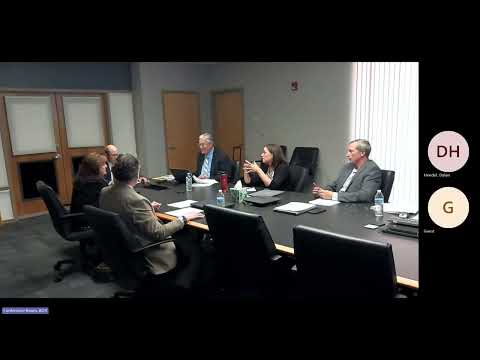
During the June 2 work session, Cochise County supervisors discussed ways to increase public participation by rotating meetings among district locations and holding quarterly "community town halls." Supervisors said such meetings could be scheduled where agenda items are locally relevant, and many favored evening hours to improve accessibility for working residents.
Clerk Laura Loenheim told the board that state statute requires the clerk to post a yearly meeting schedule; the clerk may later edit that schedule but must provide notice of changes. Supervisors asked staff to study logistics: available municipal facilities, audiovisual capability for remote participation (Teams/Zoom), and whether the county needs portable recording equipment to preserve meeting records at remote sites.
Board members also debated public-participation rules. The draft policy suggests three minutes per person for public comment; several supervisors said the county should keep flexibility to reduce time when many speakers attend and proposed a one-minute minimum for internal member debate. The board discussed signage and gallery conduct, with members noting they do not want decorum rules to be used to exclude legitimate speakers. One supervisor urged a clear definition of "personal attacks" so political criticism is not unfairly penalized.
The session covered a range of operational details: who posts public notices for department-led hearings, whether minutes should summarize (rather than transcribe) public comments, and records-retention practices for video. The board confirmed video recordings are available to the public and that minutes may summarize remarks while the video serves as the verbatim record.
Next steps: staff will return with a logistics plan for rotating or traveling work sessions, options for portable audio/video setups, and proposed public-comment time limits and signage/decorum language for incorporation into the rules draft.