Get Full Government Meeting Transcripts, Videos, & Alerts Forever!
Get email alerts on the Rules Of Order topic
No spam. Unsubscribe anytime.
Cochise County supervisors press for clearer rules of order, ask legal staff to clarify executive-session limits
Summary
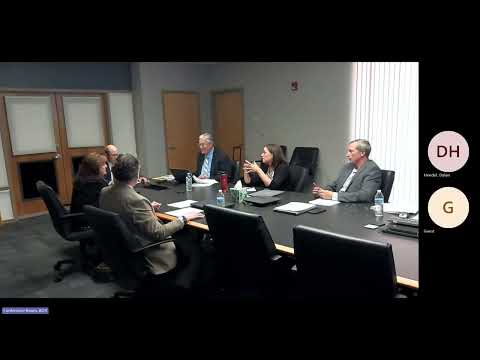
At a June 2 work session, the Cochise County Board of Supervisors reviewed draft rules of order, voted to enter executive session for legal advice, and asked county legal staff to research who must attend and what authority the county attorney has under open-meetings law.
The Cochise County Board of Supervisors spent its June 2 work session focused on tightening its rules of order and on who may attend executive sessions, directing county legal staff to research statutory limits and enforcement. A supervisor moved that the board "go into executive session pursuant to ARS 38431.0383 to get legal advice from the board's attorney on a matter listed on the agenda, which is rules of order," and the motion was seconded and approved by voice vote.
Why it matters: Supervisors said clearer language is needed so the chair can manage meetings without acquiring unchecked power and so the board and staff understand when the clerk or others must be present for legal advice. Members also raised concerns about the role and responsibilities of the county attorney and whether that office can both advise and take enforcement action under the open-meetings statutes.
Supervisor Tom argued the draft should allow the chair to manage time and decorum but include explicit language that "he could be overruled by the majority every time," saying a power unique to the chair must be subject to a majority appeal. Board members agreed on adding an appeal procedure and debated a minimum time limit for recognized speakers during internal debate.
On executive sessions, the board read aloud a statutory citation (transcribed as "ARS 38431.0383") when moving into closed session for legal advice. The motion passed and the board left for the executive session; they reconvened at 1:30 p.m. The board asked county attorney staff, including Jonathan Pinkney (chief civil deputy), to research whether statutes require the clerk or other staff to be present in executive session and to clarify whether complaints about open-meeting violations are handled by the county attorney or must be referred to the attorney general or the auditor general.
The session also included heated remarks about past interactions with the county attorney's office. Several supervisors described prior communications from the county attorney as intimidating and requested a clearer written statement of the office's relationship to the board. Those concerns were raised as part of the discussion and directed to staff for follow-up; no formal finding or policy change was made during the work session.
What the board directed next: staff were assigned to draft clarified rules that (1) define the chair's authorities and include a clear appeal mechanism, (2) tighten the definition of personal attacks versus allowable political criticism, and (3) summarize when staff attendance at executive sessions is appropriate. The county attorney's office was asked to return with a statutory memo.
Action taken: The board voted to enter an executive session as moved on the record; the motion carried by voice vote and the executive session was held per the stated purpose. The board did not adopt final rule language during this meeting.
The board scheduled immediate follow-up work, assigning legal research and logistical homework to staff; a special meeting was set to continue rule drafting and to review the legal guidance when available.