Get Full Government Meeting Transcripts, Videos, & Alerts Forever!
Get email alerts on the Housing Production topic
No spam. Unsubscribe anytime.
Local housing foundation urges 5‑ and 10‑year production targets, says housing can be net‑positive
Summary
The Concord Housing Foundation urged the Select Board to adopt production targets that include very‑low‑income restricted units, moderately affordable units and 300 attainable units in the first five years; presenters argued a mixed‑income approach and zoning changes at MCI and other town parcels could increase affordability while netting revenue for the town.
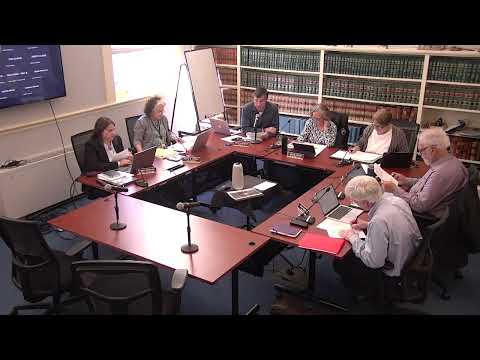
The Concord Housing Foundation presented a straw proposal to the Select Board to accelerate housing production across multiple affordability tiers. Rich Fee, foundation president, and Matt Johnson outlined targets that call for increasing very‑low‑income restricted units, expanding moderately affordable units and creating 300 market‑attainable units (smaller, lower‑cost market housing) in the first five years, with another 300 attainable units in the following five years.
Fee said the town’s median single‑family sale price has risen sharply and that a typical buyer would need a household income in the range of ~$400,000 to buy a median house under conventional mortgage assumptions, making a broader set of housing types and price points necessary to retain municipal employees, workers and young families.
Presenters recommended mixing income levels within developments when possible (for example, combining low‑income tax credit financing with market units) and using zoning incentives and public land (including the MCI site) to encourage smaller, attainable homes. They also urged the Select Board and staff to identify land and zoning tools, mentioning state programs such as “starter home” zoning (40Y) and planned residential development techniques.
Board members asked for more detail on the fiscal analysis underpinning assertions that new housing can be net revenue positive. Several members requested professional economic analysis from consultants during the MCI planning process and asked staff to provide per‑unit estimates and assumptions about student yield, municipal service demands and developer interest.
What changed: the presentation put specific numerical production targets and a five‑year timeframe on the table for the first time, and it explicitly linked MCI planning and surplus municipal sites to the town’s housing goals.
What's next: presenters asked the Select Board for feedback and community discussion; the Select Board requested more detailed fiscal analyses and noted the need to coordinate targets with the forthcoming housing production plan and MCI master‑plan work.