Get Full Government Meeting Transcripts, Videos, & Alerts Forever!
Get email alerts on the Zoning topic
No spam. Unsubscribe anytime.
Council briefed on state‑driven changes to mobile business rules; downtown and mixed‑use areas most affected
Summary
State law changes require Salt Lake City to consolidate mobile business definitions and remove local distance limits; planning staff will align the zoning code to allow mobile businesses where restaurants are allowed on private property and remove the conditional use constraints for 'mobile food courts.' Council members expressed concern for brick‑and‑mortar restaurants and asked about proactive outreach to local businesses.
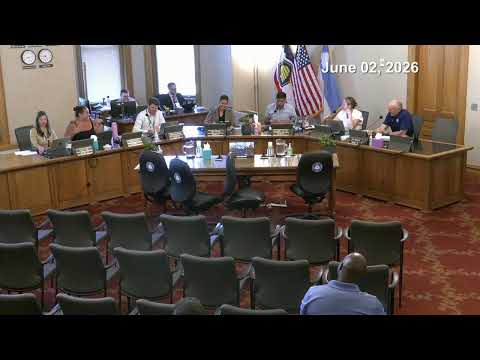
Planning staff told the council on June 2 that recent state law updates (2017 and 2023) require several changes to Salt Lake City's local mobile business regulations. The ordinance rewrite would consolidate multiple prior local categories (mobile food truck, trailer, vending cart) into a single "mobile business" definition and remove distance‑based exclusions that state law now preempts.
Key changes summarized by staff
- Consolidate existing use categories into one mobile business definition. - Remove the preexisting local prohibition that prevented mobile vendors from operating within 100 feet of restaurants; state law requires allowing mobile businesses in zones where permanent restaurants are permitted. - Remove conditional use and minimum lot‑size requirements for mobile food courts and instead allow multiple mobile businesses on a private parcel as long as zoning and safety regulations are met.
Scope and limits
Staff stressed the change applies to private‑property zoning rules (places where restaurants are allowed) and does not alter public‑right‑of‑way rules — sidewalk and street vending remain the responsibility of business licensing and public‑realm regulations.
Council concerns
Council members asked for outreach plans to brick‑and‑mortar restaurants and the business advisory board, noting prior tensions when mobile vendors set up regularly near fixed establishments. Staff said they have met the business advisory board and will produce communications materials and registration flyers to inform property owners and businesses of the state‑driven changes.
What comes next
The code amendments align local zoning regulations with state law. Because state code preempts certain local restrictions, staff said their role is primarily to update and clarify the city code and provide outreach to affected stakeholders. The council did not take a final vote at the work session; staff will incorporate council feedback as the ordinance proceeds through the public notice and hearing process.