Get Full Government Meeting Transcripts, Videos, & Alerts Forever!
Get email alerts on the Transportation Ebikes topic
No spam. Unsubscribe anytime.
Long Beach hearing pits boardwalk safety measures against ADA access concerns in debate over e-bikes and scooters
Summary
At a lengthy June 2 public hearing, Long Beach officials proposed code changes to restrict Class 1 e-bikes and scooters on the boardwalk and ban locking to ramps and the southern rail; police cited safety and enforcement plans, while residents and disability advocates warned blanket bans risk violating the ADA and urged explicit accommodations or alternatives.
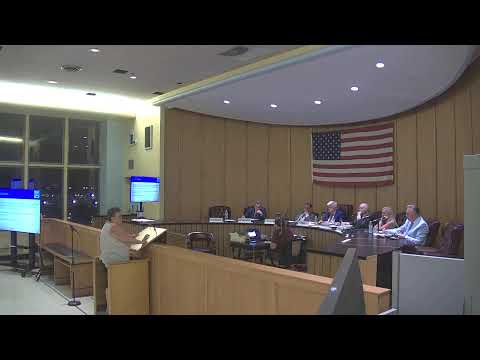
A public hearing dominated the Long Beach City Council meeting on June 2 as councilmembers, staff and more than a dozen residents debated revisions to city rules for bicycles, e-bikes and electric scooters on the boardwalk and downtown business districts.
City staff framed the proposal as a safety-driven update that focuses on Class 1 electric bicycles, clarifies where bikes and scooters may be locked and bars attaching vehicles to boardwalk ramps and the southern rail to keep ingress and egress clear. Staff said the changes were needed because “these newer forms of transportation were not previously considered or addressed.”
The proposal includes stepped-up boardwalk enforcement and education: the police department said it will assign officers and special officers to boardwalk shifts, stage checkpoints and use outreach and social media to reduce unsafe riding. “We’ll have extra patrols out there from the police department, especially around the area around 4th of July,” a police official said during public comment.
But the hearing turned to legal and access concerns as several speakers representing people with disabilities and disability advocates warned that a blanket ban or a rule without narrow, fact-based accommodations could expose the city to legal claims under the Americans with Disabilities Act. Public commenter Dave Scooten told the council that "the law requires that people with disabilities who use these devices be allowed to [use them] in areas where the public is allowed," arguing such devices can qualify as other power-driven mobility devices (OPDMDs) when used to overcome a mobility impairment.
Corporation Counsel Greg Kalnitzki summarized the legal tension: "Courts have upheld blanket prohibitions under certain circumstances for e-bikes," he said, adding that where a prohibition is challenged a court will ask whether the city has provided "meaningful access" or reasonable alternatives for people who rely on powered devices.
Residents who use mobility devices described frequent boardwalk obstacles. "I haven't been on the boardwalk for a couple of years because of your e-bikes and the speeding motorized bicycles," Lucy Centenno said, recounting near-miss incidents and difficulties crossing busy areas.
Other public commenters, including frequent boardwalk cyclists and parents, urged more bike racks and on-street protected bike lanes to reduce sidewalk/boardwalk riding and suggested options such as speed limits, mandatory dismount zones in high-density pedestrian areas and targeted impoundment or fines for repeat reckless riders.
City staff said the draft ordinance tries to strike a balance: it prohibits parking that creates an obstruction, allows locking on the northern rail when not blocking passage and focuses on Class 1 vehicles while noting Nassau County rules affect Class 2/3 e-bikes. The police described enforcement as difficult but feasible with foot patrols and checkpoints; staff emphasized education as a primary tool.
The hearing closed without a vote; councilmembers said they would review public comments and the corporation counsel’s legal guidance before scheduling a decision at a future meeting.
What happens next: Council members will review the hearing record and legal input and determine whether to amend the draft ordinance to add explicit ADA accommodations, speed limits or other measures before taking a vote at a later meeting.