Get Full Government Meeting Transcripts, Videos, & Alerts Forever!
Get email alerts on the Waste Recycling topic
No spam. Unsubscribe anytime.
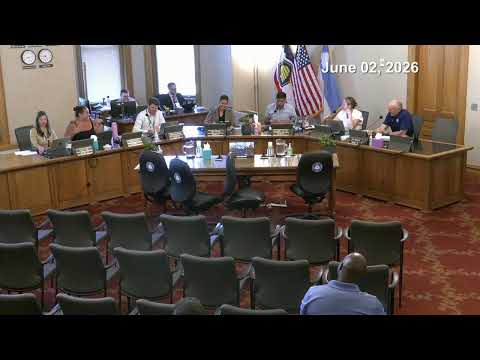
Sustainability department proposes 9% waste‑collection fee increase amid multi‑year plan; council asked questions about rate relief options
Summary
Sustainability leaders presented a FY27 budget that would raise the city's waste collection fee 9% (cumulative multi‑year approach) and raise voluntary curbside glass fees 2.4%. Staff said capital purchases are delayed and cash balances cover a projected small net operating deficit; council members asked about alternatives to protect low‑income households, multifamily enforcement and subscription options.
The Salt Lake City Sustainability Department presented a proposed FY27 budget on June 2 that would reduce overall departmental spending about 18% from FY26 while proposing a 9% increase to the city's core waste collection fee and a 2.4% inflationary pass‑through increase to a voluntary curbside glass subscription.
What staff proposed
Sustainability staff said the budget decline (to roughly $24.2 million) reflects one‑time spending reductions and delayed capital equipment financing. They said the department expects a minor operating deficit (~$377,000), which would be covered from the refuse fund's cash balance in the short term because recent rate increases and a lighter capital replacement year have improved the fund position.
The recommended fee structure would increase most residential service fees by 9% and keep the program's supplemental services — weekly recycling and composting, seasonal leaf collection and holiday tree pickup — bundled into the basic collection fee. Households can mitigate the increase by selecting a smaller cart size; staff emphasized that the city offers multiple cart sizes (commonly 90‑gallon and 60‑gallon options, and a 48‑gallon smaller can) and that residents may subscribe to additional recycling or yard‑waste containers at lower or no additional charge in many cases.
Operational tradeoffs and capital timing
Staff said a large part of the reduced revenue projection is an accounting change: the department is financing fewer heavy vehicle replacements next year, so expected financing proceeds are lower. Staffing levels will be unchanged (65 FTEs), but staff asked for a $250,000 capital allocation to build a weather‑protected facility at the Dong Street yard to shelter employees who assemble and repair residential containers.
Council questions
Council members asked staff to examine alternative revenue options and to provide clearer data on subscription uptake for voluntary glass pickup (about 5,000 current subscribers) and the potential for charging for additional recycling or yard‑waste containers. Several council members said they were sensitive to increasing household costs during a year when a property tax increase is also proposed and asked for options to mitigate impacts on residents on fixed incomes.
Multifamily and enforcement issues
Council members highlighted that many multifamily complexes use privately contracted dumpsters, which may not provide recycling consistently. Staff noted existing ordinance requirements that larger multifamily and commercial dumpsters provide recycling and said enforcement is currently complaint‑based; the department has a single staff member assigned to follow up on these requirements and to perform inspections on complaint referrals.
What comes next
The council did not vote on rates at the work session. Sustainability staff will provide supplemental materials if requested and will return as part of the formal budget and fee schedule process. Staff said they will provide additional details on the glass program uptake, potential optional charges for add‑on services and analysis of multifamily recycling compliance.