Get Full Government Meeting Transcripts, Videos, & Alerts Forever!
Get email alerts on the Landscaping topic
No spam. Unsubscribe anytime.
Council reviews proposal to allow limited front‑yard artificial turf after planning commission opposition
Summary
City planning staff proposed permitting artificial turf in required front and corner side yards with a 33% live‑vegetation requirement and new standards for permeability and tree protection. Planning commission recommended unanimous opposition; council members raised concerns about heat island effects, runoff chemicals and enforceability.
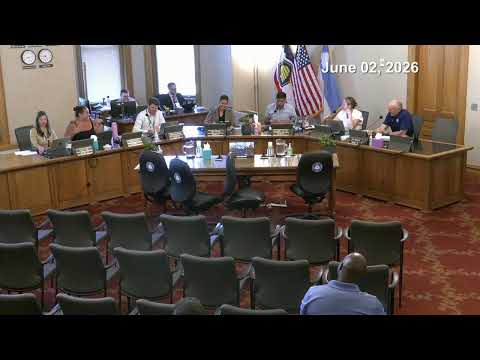
Planning staff presented a proposed rewrite of the city's landscaping and buffer rules on June 2, recommending limited changes to where artificial turf can be used and several technical clarifications to parking‑lot landscaping and landscape‑plan requirements.
The proposal would permit artificial turf in front and corner side yards where homeowners maintain at least 33% live vegetation (shrubs, flowers or tree canopy). Staff said park strips and required landscape yards adjacent to streets would remain off limits because of stormwater runoff concerns. Planning staff emphasized new product and installation standards intended to protect tree root systems and improve surface permeability.
"We're trying to take a balanced approach," an administration presenter said, noting the proposal responds both to community requests and prior enforcement problems where residents had installed turf despite the existing ban.
Why it matters: the rules would change what many homeowners and contractors can install in the space visible from the public right of way. Council members said the debate touches water conservation goals, neighborhood enforcement costs and public‑health or environmental risks — topics the council has repeatedly considered in past ordinance revisions.
Opposition from the Planning Commission
Planning staff told council members that departmental review preferred forwarding the changes, but the Planning Commission issued a unanimous negative recommendation. That split was a central point in the council's discussion: several council members said that a negative commission recommendation and continuing enforcement cases indicate stronger justification is needed to loosen restrictions.
Council concerns
Council members asked staff for the evidence underlying claims that turf can reduce water use, and for more information about unintended consequences. One council member said established examples from the Salt Lake City School District showed turf contributed to adjacent property heat issues. Others raised questions about untested chemical runoff from turf infill and whether expansion would worsen urban heat island effects.
"If it's there and not dirty, it can really reduce water consumption," a council member said, "but there are times when people use a lot of water to clean turf and there are heat impacts." Another member asked whether engineering or zoning tools — or an exemption process for ADA needs — could address individual hardship cases without opening the code broadly.
Administrative context and next steps
Staff said the proposal emerged after significant community feedback and enforcement activity: property owners, landscapers and smaller providers had repeatedly installed turf in violation of the code, producing numerous enforcement cases and public confusion. The administration said it has coordinated with sustainability and public utilities and that Director Briefer's preference remains to prohibit turf where feasible, but staff proposed limited allowance to reduce enforcement workload and provide a clear path for compliant installations.
Council members asked for additional research and time to reconcile technical questions and enforcement concerns; one member suggested delaying the public hearing to allow more outreach and possible refinements to the 33% vegetation standard and protective installation requirements. Planning staff said they will supply comparative research from other regional jurisdictions, additional enforcement metrics and the technical standards they propose to adopt.
What comes next
The council did not take a final vote at the work session. Staff will return with supplemental information, including comparative local examples, enforcement case details and exact technical standards for permeability, root‑protection zones and product quality. The Planning Commission's unanimous negative recommendation will be a formal record in the docket.
Ending
Because the proposal alters what residents may install in the public‑facing portion of their yards, council members said they expect rigorous review of water‑use data, local case studies and enforceability before considering formal adoption.