Get Full Government Meeting Transcripts, Videos, & Alerts Forever!
Get email alerts on the Addiction Recovery topic
No spam. Unsubscribe anytime.
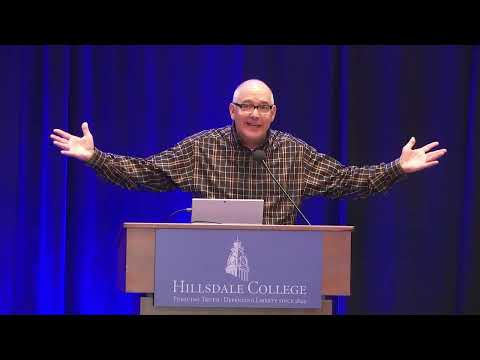
Senator Joe Bolino recounts decades‑long recovery, urges support for people in recovery
Summary
Senator Joe Bolino (16th District) told attendees he is a recovering addict who entered rehab in 1983, later worked in charity and small business, donated a kidney last year, and urged policy changes such as DUI‑expungement and driver‑fee relief to help people in recovery.
Senator Joe Bolino, who represents the 16th District (including most of Monroe, Lenway, and Hillsdale counties), told attendees he recovered from drug and alcohol addiction after entering a 28‑day rehab program in June 1983 and has remained sober for decades.
Bolino, introduced by a meeting host, opened by thanking a higher power and said he was not at the event to campaign but to share his personal history with addiction and recovery. "I'm just a drug addict, alcoholic who happened to get sober one day," he said, describing years of heavy cocaine use and a turning point when family members warned he would lose his job if he did not get help.
Why it matters: Bolino connected his personal experience to public policy, urging ideas and measures that could reduce barriers to recovery. He referenced work he has supported on driver responsibility fees and one‑time DUI expungement options and asked the audience to propose practical ways to help people access treatment and reintegration services.
Bolino described how addiction affected his life and livelihood: he said he once spent "80 grand" on cocaine while earning about $28,000 a year and that he supported his use through theft, which he acknowledged openly. After entering treatment he attended 12‑step meetings regularly and credited peer support and faith — he identified his higher power as Jesus Christ — with sustaining his sobriety. "People were there for me when I got there and they helped get me on my feet," he said.
He recounted shifting his life and work after recovery: volunteering and later working for a Catholic charity he identified during remarks, then buying and operating Broadway Market, a neighborhood liquor store where he instituted a practice of donating 1% of sales to local nonprofits. He said the store helped him forge community ties that aided his later run for office.
Bolino also described a recent family medical emergency: after his brother‑in‑law’s kidney function fell to 11%, Bolino went through evaluation and donated a kidney last August, an act he linked to being able to serve others because of his sustained sobriety. "I gave him a kidney only because I'm sober," he said.
Throughout the remarks Bolino returned to two themes: that addiction is a disease not a moral failing, and that personal recovery experiences can inform policy. He urged the group to develop "good things to help people out," and closed by thanking attendees for listening.
The event did not record any formal motions or votes. Bolino named specific policy areas he has worked on — driver responsibility fees and DUI expungement — but did not present a formal proposal at this session.