Get Full Government Meeting Transcripts, Videos, & Alerts Forever!
Get email alerts on the Procurement topic
No spam. Unsubscribe anytime.
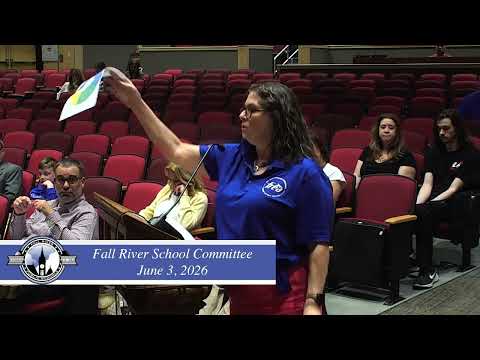
School committee approves contracts amid debate over procurement and storm damage repairs
Summary
Members approved multiple contracts — coaching partnerships, PowerSchool invoices and a districtwide traffic/access study — but repeatedly disputed procurement timing, combined bids and responsibility for storm damage repairs at school sites.
The Fall River School Committee approved a set of contracts and grant actions on June 3 while several members pressed administration on procurement procedures and vendor responsibility for storm damage.
What passed: The committee approved a three‑year renewal for a community partnership, Coaching for Change, at $150,000 per year. The PowerSchool invoices covering the current year (totaling about $39,802) were approved after debate, with administration asked to report back on future procurement strategy. The committee also authorized a district traffic/access study contract to evaluate arrival and dismissal patterns across schools and approved donations including a pallet of 1,000 gently used work boots (district delivery charge $250).
Contentious items: Members extensively debated two facilities contracts related to cleanup and repairs after an extraordinary 44‑inch snow event. Committee members questioned whether damage should be charged to outside vendors, to the city (for equipment that responded citywide), or absorbed in‑house. One bid to repair turf/grounds at Bishop Connley drew significant pushback over whether the district’s small grounds crew could do the work or whether a contractor was necessary; committee members also criticized the appearance of split quotes on what administration said was essentially one job. That debate led to a procedural change: the committee amended its internal threshold so that future contracts above $20,000 would come before the full committee for review.
Why it matters: Several members said work was already completed in some cases and asked why the committee was asked to approve payments after the fact. Others argued the scale of the winter storm required emergency vendor mobilization and that pursuing recovery from every vendor was impractical. Several members said the pattern of post‑fact approvals undermines committee oversight and called for clearer procurement and bidding practices.
Administration response: Finance and operations staff repeatedly said they had been operating under emergency conditions, that some work was handled under existing contractor agreements and that an after‑action review of procurement and bundling practices would be provided.
Next steps: Administration will report back with a plan for future procurement thresholds, a reconciliation of storm‑related billing, and additional documentation for contracts that were approved with limited backup in the packet. Committee members asked that the administration track combined bids and avoid splitting similar work to stay under committee thresholds.