Get Full Government Meeting Transcripts, Videos, & Alerts Forever!
Get email alerts on the Economic Development topic
No spam. Unsubscribe anytime.
Fort Thomas council to revisit Grow Grants rules after residents question landlord/landlord-beneficiary cases
Summary
Councilors agreed to further committee work on Grow Grants after residents and councillors debated whether grants should fund landlord work, operational costs like HVAC, and how to measure ROI; proposals included pitch-based scoring, required matches and lease-length conditions.
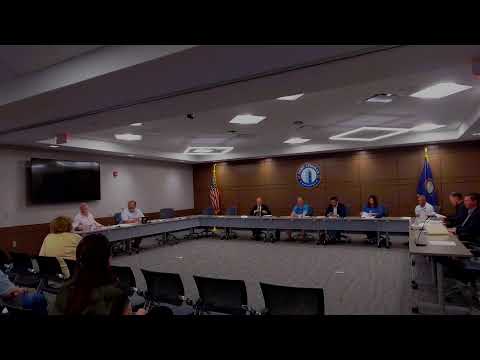
The council heard an extended exchange about the Grow Grants program and how the city should target limited economic‑development funding.
Several residents and council members said the program’s original purpose—to support façade improvements and community-facing upgrades—has blurred, especially after ARPA funds were added and the program’s eligible expenses expanded. At issue were operational expenses (for example HVAC or flooring), whether grants should reimburse landlords for building repairs, and what outcomes the city expects in return.
One council member and multiple residents urged a more stringent, pitch‑based scoring rubric that would prioritize community-facing improvements, demonstrated match funding and measurable returns such as job retention, payroll tax growth or reduced vacancy. Speakers suggested limits such as a per‑business cap (examples discussed: $20,000 over a five‑year period), a required match (50/50 was noted in committee discussion), and lease‑length criteria so grants do not subsidize short‑term tenancies.
Others cautioned that too‑narrow exclusions could prevent useful projects—such as a longstanding local dance studio needing specialty flooring—from qualifying. Multiple participants urged more transparency in the program’s evaluation records and asked that previously funded projects be reviewed to show how property values or business activity changed after grants were used.
Council members agreed to place detailed policy refinements on a committee agenda and to solicit input from the community and the grant committee before finalizing new parameters; staff and committee members were asked to return with recommended scoring rubrics, match requirements and safeguards to limit inappropriate landlord subsidy.