Get Full Government Meeting Transcripts, Videos, & Alerts Forever!
Get email alerts on the Tanf Reform topic
No spam. Unsubscribe anytime.
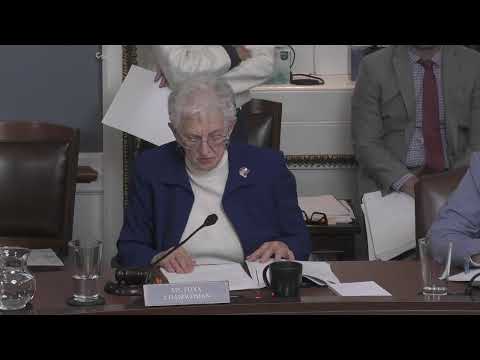
Ways and Means debate spotlights TANF vulnerabilities; GOP bill would tighten spending rules, Democrats say it lacks funded fraud unit
Summary
The committee considered H.R.8872 to tighten Temporary Assistance for Needy Families (TANF) spending rules: Republicans argued the bill would restore guardrails and require spend‑down and reporting; Democrats said it lacks a funded fraud‑control unit and could concentrate enforcement authority in HHS without safeguards.
Members of the House Ways and Means Committee joined the Rules Committee conversation to discuss H.R.8872, the "Preventing Waste, Fraud and Abuse in TANF Act." Representative Smith summarized the measure’s primary reforms — defined spend‑down timelines to ensure states use TANF funds within three years, new improper‑payment measurement and reporting, anti‑supplanting language to prevent states from using federal TANF dollars to replace state spending, and a 200% of the federal poverty limit eligibility threshold to focus resources on the poorest families.
Smith and other proponents said GAO reports and prior oversight showed that a large portion of non‑assistance TANF spending lacked basic safeguards and that reforms were necessary to preserve funds for needy families. "If Congress provides billions for TANF we have a responsibility to ensure those dollars are helping families who need them most," Smith said.
Representative Davis and other Democrats said the bill as offered would produce no CBO savings, contains no funded mechanism to pursue or recover fraudulent spending by contractors and sub‑grantees (a major source of abuse in previous cases), and could give HHS too much undefined authority to penalize states — raising concerns about political weaponization. Davis and others offered an amendment to create a funded fraud control unit and enhanced criminal penalties; committee discussion included whether the committee should require direct federal capacity to pursue complex contractor fraud.
Committee members debated the 200% FPL threshold, how to define improper payments and the proper mix of federal oversight and state flexibility. Supporters argued the threshold has bipartisan precedent and that improved transparency and reporting would limit misuse; opponents argued the bill could produce collateral harm by imposing broad new compliance regimes without funding to implement them.
The Rules Committee included H.R.8872 in its rule package for floor consideration; members asked for additional oversight and asked Ways and Means members to continue work on funded enforcement proposals.