Get Full Government Meeting Transcripts, Videos, & Alerts Forever!
Get email alerts on the Agriculture Appropriations topic
No spam. Unsubscribe anytime.
Appropriations chair defends modest cuts in agriculture spending as Democrats warn WIC, rural programs would suffer
Summary
At a House Rules Committee hearing, Chairmen and appropriators defended H.R.8646 (FY27 Agriculture, Rural Development, FDA appropriations) — a $26.27 billion discretionary allocation — while Democrats warned planned cuts (including $200 million from WIC and reductions to water/wastewater grants) would harm families and rural communities.
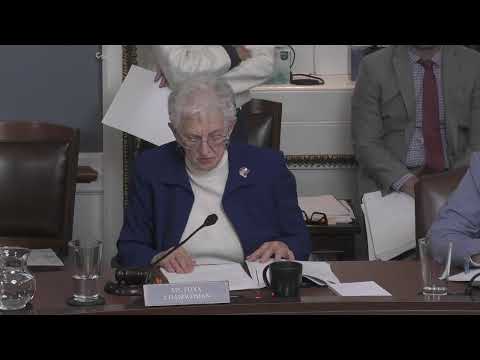
The Rules Committee heard testimony and lengthy debate over H.R.8646, the fiscal 2027 Agriculture, Rural Development, Food and Drug Administration and related agencies appropriations bill. Chairman Robert Harris, who led testimony for the Appropriations Committee, said the bill sets a discretionary allocation of $26.27 billion, a modest 1.4% reduction from the FY2026 enacted level but a responsible attempt to balance farm, nutrition and FDA priorities.
"The bill targets funding to critical programs by supporting rural communities, providing U.S. producers with the tools they need to feed, fuel and clothe the world," Chairman Harris said in his summary testimony, urging cooperation on amendments as the measure moves forward. He cited maintenance of crop insurance and conservation services and increased loan authorities for rural infrastructure and business programs.
Democratic members pushed back sharply. Ranking Member James McGovern said the bill's proposed $200 million cut to the Special Supplemental Nutrition Program for Women, Infants and Children (WIC) and the proposed rollback of the fruit‑and‑vegetable voucher risk reversing gains in maternal and child nutrition. "When families are struggling at the grocery store, these are not the programs to cut," McGovern said, warning the reductions could result in eligible families losing benefits for the first time in decades.
Representatives on both sides debated whether lower WIC participation justifies reduced funding. Harris and supporters pointed to monthly participation figures showing a decline from FY25 to FY26 and argued appropriators matched funding to expected participation. McGovern and other Democrats countered that enrollment drops in some places are driven by increased paperwork and program access barriers and that cutting benefits would exacerbate hunger and harm local farmers who rely on voucher purchases.
Members also scrutinized provisions affecting rural utilities and rural development. Ranking Member of the subcommittee, Representative Bishop, described cuts to programs that support water and wastewater grants and noted the bill reduces staffing and grants that rural communities rely on for infrastructure. Several members warned that reductions to the Rural Utilities and Energy programs would hamper communities with low tax bases and high energy costs.
A contentious debate emerged over a rider related to USDA rulemaking on poultry and packers-and-stockyards proposals. Some members representing poultry-producing districts said language in the bill preserves their producers’ preferred compensation system; critics argued the rider forecloses an agency rulemaking process designed to increase transparency for contract growers.
Committee members pressed for additional justifications and documentation. Harris said the committee report encourages the USDA to evaluate a possible targeted "Buy American" approach for SNAP purchases to increase purchases of U.S.-grown produce, which he said could deliver a major market shift for domestic producers.
The Rules Committee later considered and reported a rule to bring H.R.8646 to the floor and debated multiple amendments to that rule package; the committee recorded roll calls on contested changes and ordered the rule reported to the House.
The hearing concluded with members on both sides emphasizing the tradeoffs: supporters described careful prioritization amid fiscal constraints, while opponents said the bill shifts burdens onto low‑income families and rural communities.
The Rules Committee reported the rule for floor consideration; the next steps are floor consideration and potential supplemental requests if participation or costs differ from current estimates.