Get Full Government Meeting Transcripts, Videos, & Alerts Forever!
Get email alerts on the Affordable Housing topic
No spam. Unsubscribe anytime.
Colts Neck approves payment plan to extend affordability controls for 34 units; some officials seek fuller 30-year cost picture
Summary
The committee adopted Ordinance 2026-06 to extend affordability controls on 34 owner-occupied units in exchange for $40,000 payments to each homeowner, reducing the township’s affordable‑housing obligation; several members and residents urged a full 30‑year cost and legal-fee accounting before similar deals are pursued.
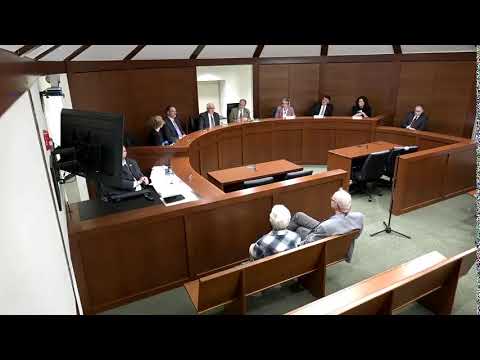
The Colts Neck Township Committee on March 25 adopted Ordinance 2026-06 to extend affordability controls on 34 owner-occupied units in the Grand development in exchange for payments of $40,000 per owner and the continuation of a 50% recapture lien.
Officials said the negotiated extensions reduce the township’s outstanding affordable-housing obligation and are part of a broader strategy the committee described as a “parallel path” to meet the municipality’s court-directed housing requirements without immediate large-scale construction. The presentation from staff described an original pool of 66 owner-occupied units that might have been eligible; 34 homeowners agreed to extend controls under the current agreement.
Some committee members and public commenters pushed for more comprehensive disclosure of long-term costs. Committeeman Tabia said the township should have a full estimate of the total cost to the municipality over 30 years, including legal work, tax PILOT consequences and administrative expenses, before making similar agreements in the future. Residents also questioned whether prior litigation involving other owners affected the pool of participants.
During public comment, resident Kevin Walsh praised the committee’s move as saving the town money, saying the extensions reduced the number of units the township would otherwise have to build. Other residents and speakers urged more transparency and suggested that late planning had contributed to current obligations.
The ordinance passed on roll call (three yes, one no, one recusal). Committee members said staff and the affordable‑housing attorney previously provided estimates and deed‑level cost approximations but acknowledged some figures remain estimates and that additional disclosure on total legal costs will be provided upon request.
Next steps: the ordinance is adopted. Committee members directed staff to continue working with counsel on long-term cost accounting and to include clearer cost breakdowns in future public materials.