Get Full Government Meeting Transcripts, Videos, & Alerts Forever!
Get email alerts on the Overdose Fatality Review topic
No spam. Unsubscribe anytime.
Hillsdale County forms overdose fatality review to study deaths and target prevention
Summary
MDHHS supervisors and a judge described the county's overdose fatality review (OFR), cited state and local overdose statistics, and said multidisciplinary reviews will produce data'driven recommendations to prevent future deaths.
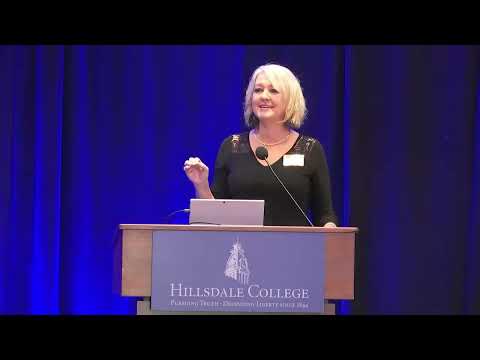
HILLSDALE COUNTY, Mich. — Riley Tillow of the Michigan Department of Health and Human Services described the county's overdose fatality review (OFR) as a multidisciplinary team that examines overdose deaths to identify system gaps and recommend prevention steps to local and state stakeholders.
Tillow, MDHHS Children's Protective Services supervisor and OFR co'coordinator, said an OFR team typically includes representatives from the health department, law enforcement, probation, the prosecutor, the medical examiner's office, toxicologists, schools, housing providers, therapists and patient advocates. She explained teams may use an identifier review (with the decedent's name) to assemble deeper case data.
She cited statewide statistics to give context: Michigan reported 2,998 drug poisoning deaths in 2022, with synthetic opioids involved in about 80% of those deaths, and provisional data estimated 2,931 overdose deaths in 2023. Tillow said Hillsdale County's provisional breakdown showed synthetic opioids involved in about 60% of local overdose deaths (six deaths referenced), heroin'involved deaths and a decline in cocaine'involved deaths.
Megan Walters, MDHHS Children's Protective Services supervisor, reported county child'welfare figures tied to substance use: from Oct. 1, 2024 to the present, MDHHS recorded 46 removals in the county; 25 of those removals (54%) involved parental substance use. Walters said MDHHS currently monitors 36 ongoing cases, 13 (36%) of which list substance use as a factor. She emphasized prevention services are limited and that access to family treatment court requires court involvement (foster placement or an in'home jurisdiction petition).
Why it matters: Tillow said OFR's aim is to generate data'driven recommendations to reduce overdoses by identifying where systems failed decedents and where prevention could be strengthened. The panel noted Michigan has 19 local OFRs and Hillsdale'level review has been active about a year; early findings point to gaps in prevention and treatment, and to multigenerational patterns of substance use.
What'next: Panelists said OFR findings will inform recommendations to strengthen cross'system care and prevention; they encouraged community providers and agencies to share data and participate in reviews.
Speakers quoted (roles as stated at the meeting): Riley Tillow, Supervisor, MDHHS Children's Protective Services and OFR co'coordinator; Megan Walters, Supervisor, MDHHS Children's Protective Services.