Get Full Government Meeting Transcripts, Videos, & Alerts Forever!
Get email alerts on the Treatment Courts topic
No spam. Unsubscribe anytime.
Hillsdale County judges expand treatment-court response as meth, heroin cases rise
Summary
Judge Megan Styverson and county partners described rising meth and heroin caseloads, said treatment courts and federally funded case management are keeping families intact when safe, and warned participation in treatment courts remains voluntary under Michigan law.
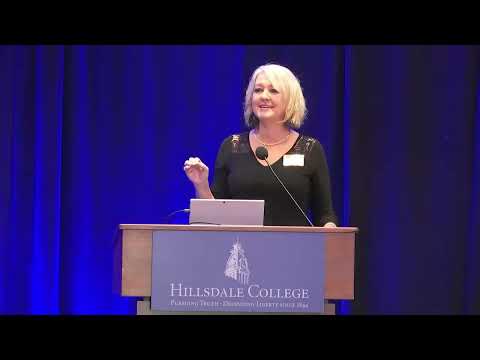
HILLSDALE COUNTY, Mich. — Judge Megan Styverson told a local audience that substance use is the "elephant" facing the county's justice system and outlined how Hillsdale County's treatment courts aim to keep families together while addressing rising methamphetamine and heroin cases.
Styverson, the Hillsdale County 2B district court judge, said possession'of'analogs cases increased from 2023 to 2024 and that heroin and cocaine cases are up locally, while methamphetamine remains widespread. "It is cheap. It is easy to find," she said of methamphetamine, adding that the court had received "10 new possession of methamphetamine cases within the last two weeks." She said she currently supervises close to 400 people on probation with two full'time probation officers.
The judge framed family treatment court and other specialty dockets as an alternative to immediate removal of children or incarceration. "The elephant in the room looks like child abuse, the elephant in the room looks like child neglect," she said. "Instead of just taking people's children away ... we owe these individuals the opportunity to help them with their diagnosis so that they can keep their families together and make them whole again." She acknowledged that some cases still require termination of parental rights for child safety.
Why it matters: Panelists said treatment courts shift resources from jail time to treatment and accountability. Styverson said consistent drug testing is "the single best indicator of success" for participants, and that treatment plus counseling are essential complements. Funding for these courts comes largely from federal grants; Styverson said the county recently secured another year of grant funding for its DWI court and noted the family treatment court and drug court also operate under grant support.
The panel also highlighted constraints: local budgets are limited and treatment courts are voluntary under Michigan law. "As of now, treatment courts in the state of Michigan are voluntary. I cannot order that somebody participate in a treatment court," Styverson said, underscoring that judges cannot compel enrollment.
During a question'and'answer period, MDHHS staff and the judge said Child Protective Services (CPS) determines removals case by case. CPS will consider whether a parent has arranged an appropriate caretaker before deciding whether a removal is necessary, the panel said; removal is not automatic when a parent admits use.
What'next: Panelists urged continued grant support and community wraparound services to sustain participants after court supervision ends. Styverson and others said treatment courts reduce recidivism and support recovery when participants engage with testing, treatment and case management.
Speakers quoted (roles as stated at the meeting): Judge Megan Styverson, Hillsdale County 2B District Court; Riley Tillow, MDHHS Children's Protective Services supervisor; Megan Walters, MDHHS Children's Protective Services supervisor.