Get Full Government Meeting Transcripts, Videos, & Alerts Forever!
Get email alerts on the Data Center Regulation topic
No spam. Unsubscribe anytime.
Nottingham residents oppose proposed data center; planning board and select board weigh moratorium, zoning changes
Summary
After a packed planning-board meeting and hundreds of written comments, Nottingham officials said this week they will pursue options — including a temporary moratorium and zoning amendments — to limit or regulate data centers following strong local opposition.
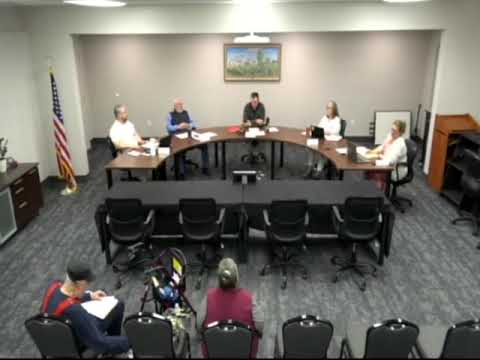
Nottingham’s planning board and select board moved this week to accelerate work on local rules after a proposed data-center application prompted an unusually large public response. Planning Board Chair Drew Stevens told the Select Board that the planning-board session last Wednesday drew more than 234 written contacts, a sign‑in sheet with 244 names and roughly 61 public speakers, and that the developer withdrew the application the afternoon of the hearing.
"We had 61 members of the public who spoke," Stevens said, summarizing the turnout and the unanimity of opposition. He told the board the planning board will hold a workshop to review public comments and decide whether to recommend zoning amendments or a temporary moratorium under RSA 674:23.
Stevens said local options include tightening special-exception criteria in the commercial/industrial district, defining "data center" as a use, setting performance standards (noise and water draw were repeatedly cited), or pursuing a 12‑month moratorium to buy time for ordinance drafting and outside study. He emphasized that once a proposed zoning amendment or moratorium is legally noticed, the planning board’s jurisdiction can 'lock in' protections for incoming applications.
Select Board members discussed timing and logistics. Several members said they prefer aligning any public vote with the September 8 election to avoid the cost of a separate special election, while others said a sooner special election could be justified to act before new applications arrive. A range of special-election cost estimates was discussed in the meeting, with participants noting past special-election estimates between about $3,000 and $10,000 depending on circumstances.
Public commenters urged careful attention to operational workarounds and technical impacts. Resident Steve Waldo warned that some operators may attempt to circumvent local limits — "they will literally get around regulations by putting generators on trucks and leaving them on trucks" — and urged that the town build layered defenses addressing power, cooling, noise and transparency. A speaker identified as Sean urged financing an independent third‑party impact study during any moratorium period to establish baselines for noise, groundwater withdrawal and other performance metrics.
Planning Board Chair Stevens said the board is ready to discuss draft language at an upcoming workshop and that town counsel is already reviewing a proposed moratorium text. He also noted that citizens could petition the select board with 50 signatures to call a special meeting if the board hesitates to move quickly.
Next steps: the planning board will meet in workshop form to frame recommended zoning changes or a moratorium and then formally notice public hearings. The Select Board indicated it would consider how to time any special meeting and to coordinate with election officials if a vote is required.