Get Full Government Meeting Transcripts, Videos, & Alerts Forever!
Get email alerts on the Pool Finance topic
No spam. Unsubscribe anytime.
Finance committee presses for details after sharp drop in pool ‘support services’ spending
Summary
The Cross Plains Finance Advisory & Enhancement Committee flagged a large decline in the pool budget’s 'support services' line and asked staff for a utilities breakdown and clarification on whether swim team staffing or accounting changes explain the drop; members also discussed solar and salt-based options for the proposed pool project.
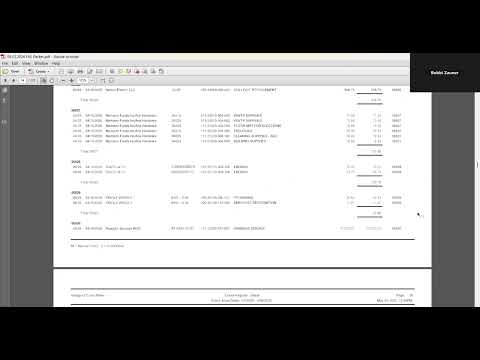
The Cross Plains Finance Advisory & Enhancement Committee pressed staff on June 3 after members noticed a steep reduction in the pool budget’s support-services line over recent years.
The group’s chair said the item fell dramatically, “you’re going from 15,000 to 8,800 to 596,” and asked staff to explain what had been cut and whether accounting changes — such as reallocating swim-team staffing — accounted for the decline. A committee member responded that swim-team charges were removed from one year’s accounting and that staff would follow up with a line-by-line explanation.
The committee front-loaded requests for additional financial detail. A member who prepared a one-page comparative finance summary for Cross Plains said the village is “losing less money than everybody else,” but the chair said more granular data are needed to evaluate project options and long-term operating implications.
Committee members asked staff to break out utilities by energy type (electric, gas, water) and to indicate whether potential pool technologies would alter operating costs. The chair suggested exploring whether solar should supply pool electricity or provide water heating and whether a salt-based disinfection system would be less expensive over time; committee discussion also mentioned UV treatment as a complementary technology.
Members discussed capital-versus-operating classifications for pool work and peer communities’ capital spending, noting that some municipalities’ higher capital outlays could explain differences in their operating results. The chair asked that comparisons explicitly separate operating and capital expenses so the committee can assess lifecycle costs.
Next steps: the committee asked staff to provide a more detailed utilities breakdown and a written explanation for the apparent drop in support-services spending. No formal vote was taken; the committee plans to use the new detail to inform future budget amendments and to coordinate with other committees on project planning.