Get Full Government Meeting Transcripts, Videos, & Alerts Forever!
Get email alerts on the Federal Budget topic
No spam. Unsubscribe anytime.
Presenter says federal priorities leave everyday Americans struggling
Summary
A speaker at the session said the United States has sufficient funds but that federal spending priorities leave people unable to afford health care, utilities, fuel and housing, and claimed funds exist to expand ICE and to wage foreign interventions.
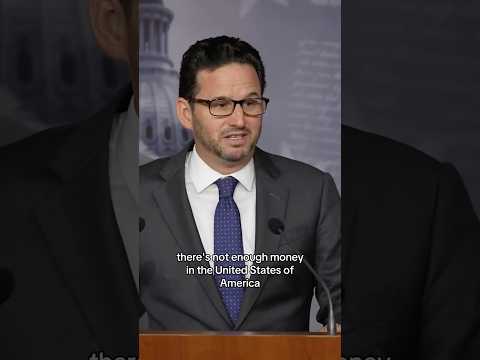
A speaker identified in the transcript as "Presenter" said, "And so don't let anybody tell you there's not enough money in The United States Of America," arguing that money exists at the national level but is not being directed to ordinary people.
The speaker listed what they described as everyday hardships: "People are really struggling out there. They can't afford their health care. They can't afford their utility bills. They can't afford to fill their gas tank. They can't afford their mortgage. They can't afford their rent." The remarks framed those examples as evidence that policy priorities are not meeting constituents' needs.
The presenter criticized elected leaders' use of legislative power, saying the party in control has "basically 2 golden tickets to pass major legislation" but has not used that leverage to make life more affordable for residents. The speaker contrasted that with specific claims about other spending priorities, asserting, "There is enough money to quadruple the size of ICE. There's enough money to start multiple regime change wars." The transcript does not provide supporting figures or sources for those allocations.
No motions, votes or formal actions are recorded in the transcript. The record contains a single speaker's remarks and does not identify the governing body, date, or any procedural outcome connected to these statements.
The speaker's claims about the availability of federal funds and about specific reallocations were presented as assertions; the speaker did not cite budget documents or agency estimates in the provided transcript.