Get Full Government Meeting Transcripts, Videos, & Alerts Forever!
Get email alerts on the Capital Funding topic
No spam. Unsubscribe anytime.
Motion to instruct administration to pursue $130 million bond levy fails after board questions timing and cost
Summary
The Buckeye Valley board declined to authorize administration to proceed with paperwork for a $130 million bond levy to appear on the Nov. 3 ballot after members raised concerns about timing, rising construction costs and the need for more community engagement and survey data.
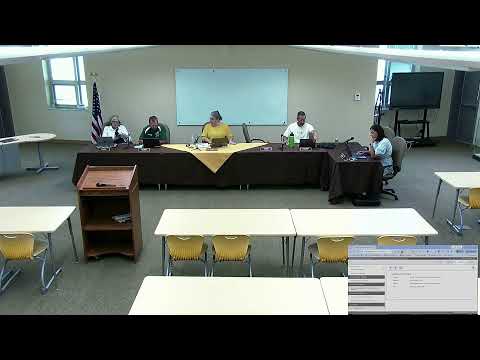
A motion to instruct Buckeye Valley administration to prepare a $130,000,000 bond levy resolution for placement on the Nov. 3, 2026 general-election ballot failed at a special board meeting after several members said more time and community input were needed.
Administration outlined the timeline for placing a levy on the November ballot and warned of deadlines for resolutions and board of elections filings. An administrator said construction cost estimates range from $392 per square foot (current) to an estimated $500 per square foot if bidding and construction occur later; the administrator added that costs could rise further if the board delayed. "It's $392 a square foot right now. We estimated this one at 500," the administrator said when defending November timing.
Several board members urged caution. One member said the proposal felt rushed and urged additional town halls and a tailored community survey to identify why past levies failed. "I just don't want to rush it," a committee member said, citing prior levy defeats and the importance of transparency. Another board member raised the risk of ballot crowding—multiple levies on the same ballot could force voters to choose between priorities.
The motion called for the board to instruct administration to "work to put a $130,000,000 bond levy resolution on the November 3 general election ballot." After recorded responses during roll call, the president announced the motion did not pass; members discussed returning to the question at the June planning meeting and using survey results to guide timing.
Administrators said they are prepared to run a community survey and bring results back to the board, and they noted that campaign planning and legal work (attorneys, resolution drafting) would begin only if the board formally authorized the step.