Get Full Government Meeting Transcripts, Videos, & Alerts Forever!
Get email alerts on the Municipal Budget topic
No spam. Unsubscribe anytime.
Eureka budget presentation warns of structural deficit as health, pension and salary costs rise
Summary
Director Millar told the Eureka City Council and Finance Advisory Committee that rising health insurance, liability and CalPERS payments plus negotiated salary increases add roughly $2.9 million in new costs, leaving the general fund with a continuing structural deficit and reserves below policy levels.
Director Millar presented the proposed fiscal year 2026–27 budget at a joint study session of the Eureka City Council and the Finance Advisory Committee, warning that rising insurance, pension and salary costs are creating a structural deficit and that staff will return with a financial plan for reserves.
Millar said four categories — health insurance, liability insurance, CalPERS unfunded liability payments and salaries — account for most year‑to‑year changes across department budgets. "These four categories add up to about $2,900,000 in increased expenses," Millar said, outlining roughly $900,000 in additional health insurance costs, about $400,000 in additional liability insurance, and about $400,000 in additional CalPERS payments. He said a 3% across‑the‑board salary increase proposed for next year will cost the city roughly $1 million after a prior 5% increase cost about $2 million.
The director said taxes remain the largest revenue source and that sales tax is the most important local economic indicator because approximately 60% of the city's budget depends on sales‑tax‑driven activity. He summarized expected revenue changes as roughly $600,000 in additional tax revenue, with about half of that coming from property taxes and roughly $100,000 from sales tax, while noting the HDL vendor forecast is not guaranteed.
Committee member James Clore asked for reserve details given a roughly $800,000 budget deficit in FY25–26. "What do the reserves look like so we can get an understanding of what kind of runway we have with a deficit of about $800,000?" Clore asked. Millar replied that the city ended the prior year with about $12,000,000 in reserves (roughly three months of operating capital) but that midyear expenses have reduced projected year‑end reserves to about two months, or approximately $9,000,000, below the city's three‑month policy target. Millar said he will present a financial plan to guide a return to the policy level at a future meeting.
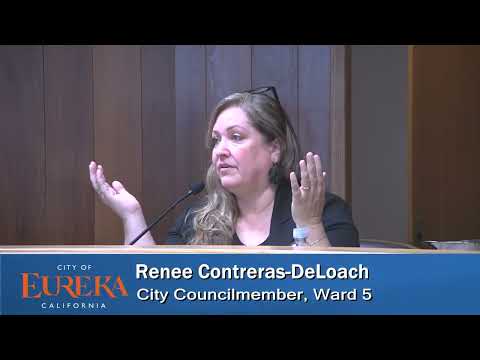
Several council and committee members pressed staff on revenue assumptions. Council member Contreras Deloche strongly challenged outside revenue forecasts: "They're wrong," she said of the vendor projections after describing persistent local declines. She urged staff to model scenarios that assume flat or declining revenues so the city does not plan programs or staffing on optimistic forecasts. Millar said the city relies on HDL's quarterly projections and balances those forecasts with conservative expense planning, adding that staff can run alternative scenarios.
On the expense side, Millar said departments trimmed non‑personnel budgets by about 2.2% to absorb cost increases without cutting full‑time staff, and he highlighted department‑level impacts such as a roughly 6% increase in the police budget driven in part by about $300,000 in unfunded pension payments. He described water and wastewater fund changes that will reduce certain debt service payments and allow larger transfers into capital improvement funds.
Panel members also discussed health insurance alternatives. Staff reported they evaluated CalPERS options but ruled them out because the plans would require post‑retirement payments that would raise long‑term costs; the city will remain with its current third‑party coverage while continuing to look for savings.
Council member Castellano urged staff to pair fiscal caution with targeted economic development investments — tourism programming, amplified park and event planning, and assistance to cottage industries and small businesses — to broaden the tax base. Council member Fernandez and others suggested fee waivers or small‑business supports as possible tools to spur local spending.
Millar outlined next steps: the Finance Advisory Committee will review major fund revenues and expenditures at its June 4 meeting and will forward recommendations; the City Council will discuss major fund revenues and expenditures on June 2; and Millar plans to present a financial plan for the general fund reserves and bring the budget for adoption at the last June meeting. No formal motions or votes were taken at the study session.
The session closed with the instruction that staff provide comparative projection‑to‑actual analyses and a reserve replenishment plan at upcoming meetings.