Get Full Government Meeting Transcripts, Videos, & Alerts Forever!
Get email alerts on the Legal Malpractice topic
No spam. Unsubscribe anytime.
Appeals court hears claim that law firm failed to alert board about federal visa-fraud probe in GPS case
Summary
Appellant Massachusetts Premier Soccer LLC (GPS) argues Burns & Levinson and attorney Henderson breached duties by not informing unconflicted board members of a federal visa-fraud investigation; defendants said no duty existed under Rule 1.13(b), causation is speculative, and immigration counsel handled the substantive work.
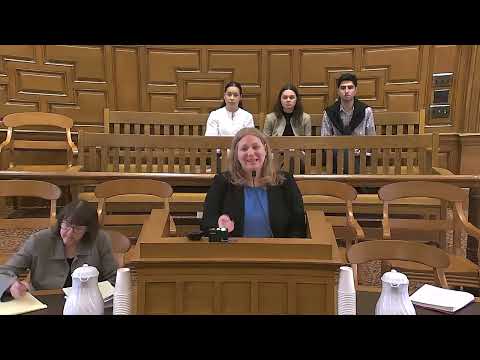
Philip Rokinoff, representing the appellant (Massachusetts Premier Soccer LLC, doing business as Global Premier Soccer), urged the panel to reverse summary judgment and let jurors decide whether Burns & Levinson and attorney Andy Henderson breached a duty to disclose a federal immigration investigation to GPS's unconflicted board members. Rokinoff said the company submitted an expert opinion and documentary evidence (emails among GPS executives and outside counsel) showing Henderson received warnings and acknowledged the need to inform the board.
The panel probed whether the asserted duty arises solely from Rule 1.13(b) of the Rules of Professional Conduct or from a broader fiduciary duty; Rokinoff told the court the expert opined the firm’s longstanding general-counsel role created a broader duty beyond the rule. He argued causation — that earlier disclosure and cooperation might have averted a disruptive raid and consequent business harm — is a legitimate factual question for a trier of fact.
Defense counsel Matthew Michella told the court the superior court properly granted summary judgment, emphasizing that Burns & Levinson did not handle immigration petitions, that other immigration counsel (named in the record) advised GPS, and that Henderson lacked evidence of an actual legal violation that would trigger a mandatory disclosure under 1.13(b). Michella said the record showed limited contacts with federal agents and that any theory that earlier notice would have prevented a government search was speculative.
The judges examined the interplay between the scope of representation, questions of actual knowledge, the scope of expert testimony, and whether waiver or procedural defaults barred some ancillary claims. The court did not announce a ruling at argument.