Get Full Government Meeting Transcripts, Videos, & Alerts Forever!
Get email alerts on the Equity Programming topic
No spam. Unsubscribe anytime.
District African American Advisory presents report, urges sustained staffing and data tracking
Summary
The District African American Advisory (D3A) presented its 2025–26 work — programming, scholarships, expanded Ruby Bridges activities and calls for stronger on‑site equity staffing, restorative practices, and data collection to measure anti‑Black harm.
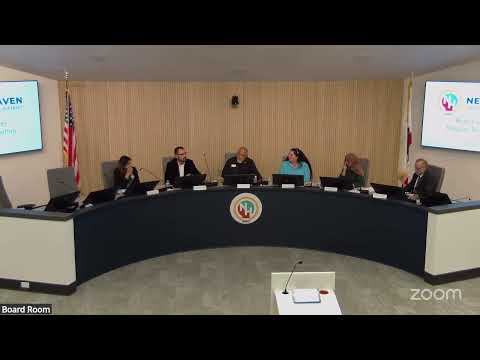
Lydia Edom, chair of the district African American advisory (D3A), presented the advisory’s annual report to the New Haven Unified School District board on June 2, summarizing the group’s work to promote Black student wellness and achievement during the 2025–26 school year.
Edom said D3A held nine meetings this year with an average attendance of 25–30 participants representing about nine schools, and highlighted district partnerships that broadened programming. She noted the Dream Scholarship program’s multi‑year investment (more than $105,000 invested in Black student scholarship support since inception) and the districtwide expansion of the Ruby Bridges walk‑to‑school event.
Dr. Lily Turner described student recognition efforts and the advisory’s emphasis on culturally responsive programming; Caron Smith (incoming D3A chair) highlighted community partnerships that provided literacy and financial‑literacy workshops and other events.
D3A’s recommendations included strengthening culturally responsive professional development focused on anti‑Black harm, creating stronger on‑site equity staff (trainer‑of‑trainers model), better data collection of racialized incidents, expanded mentorship and leadership opportunities for Black students, and continued funding for flagship events such as Black graduation. Edom said the district’s three‑year grant will support interventions such as MTSS and other targeted student supports.
Trustees thanked D3A for the partnership; several asked follow‑up questions about meeting schedules and how to sustain staffing and funding. The board did not take formal action on the report but welcomed continued collaboration with the Office of Equity, Access and Achievement.