Get Full Government Meeting Transcripts, Videos, & Alerts Forever!
Get email alerts on the Parking Ordinance topic
No spam. Unsubscribe anytime.
Public Safety Commission approves tighter overnight parking rules, eliminating 30‑minute grace period
Summary
The South Pasadena Public Safety Commission voted to amend municipal code section 19.58 to remove the 30‑minute overnight parking grace period and move the restricted hours to start at 1 a.m.; staff estimates a one‑time signage cost of about $10,000 and will conduct public outreach before enforcement.
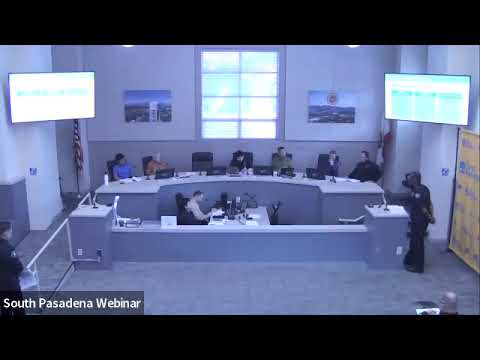
The South Pasadena Public Safety Commission on May 26 approved an amendment to municipal code section 19.58 that eliminates the current 30‑minute overnight parking grace period and moves the overnight restricted hours to begin at 1 a.m. and end at 6 a.m.
Lieutenant Robledo, presenting staff’s recommendation, said the change is intended to make enforcement consistent and to “restore residential parking availability, approve neighborhood quality of life, support more consistent street sweeping, and help detect abandoned vehicles.” He told the commission the adjustment would also align South Pasadena with neighboring cities that have no overnight grace period.
Staff told commissioners the adjustment responds to increased complaints about patrons of late‑night restaurants and entertainment venues parking on residential streets. Lieutenant Robledo estimated a one‑time cost of roughly $10,000 from the general fund to replace regulatory signs at about 26 major city entrances so drivers are clearly notified of the restriction.
Commissioners raised practical questions about the proposed code language: whether the ordinance intended patrons to use ‘public’ off‑street parking versus city‑owned lots, how traditional holiday exemptions would be treated, and how the permit system would accommodate private events. The lieutenant said staff will revise the ordinance text to remove a conflict between the staff report and the draft code language and clarified that residents can obtain short‑term exemptions by contacting the watch commander for one‑time event permissions.
Commissioner (speaker 5) moved to approve the ordinance and Commissioner (speaker 6) seconded the motion. The clerk called the roll and the motion passed by recorded ayes. The commission directed staff to conduct public outreach and to provide initial warnings during the first weeks after signage is installed.
Next steps: staff will finalize ordinance language to clarify exemptions and off‑street parking references, install new signage at key city entrances, and carry out a public‑education period before citations are issued.