Get Full Government Meeting Transcripts, Videos, & Alerts Forever!
Get email alerts on the Traffic Operations topic
No spam. Unsubscribe anytime.
Connecticut DOT traffic operations team outlines local support, quick-build pilot
Summary
Connecticut DOT traffic operations presented to NVCOG members, emphasizing restoration of direct contacts after a 2019 reorganization, describing services (studies, signal reviews, encroachment-permit coordination) and promoting a 2024 quick-build pilot that allows temporary safety treatments May 1–Oct. 31.
Greg Palmer, a traffic engineer with Connecticut DOT's traffic operations unit, told Naugatuck Valley Council of Governments members the unit is rebuilding local contacts after a 2019 reorganization that centralized requests into impersonal mailboxes. "We're going to each of the COGs now to try to get names and faces," Palmer said, explaining the unit's role in conducting studies on state highways and making technical recommendations for towns.
Palmer described the unit's responsibilities — carrying out traffic investigations, reviewing municipally owned signals on state highways, supporting maintenance-led resurfacing programs and encroachment-permit reviews — and stressed that the traffic operations group does not directly construct state projects. "We are a non-project unit," he said, adding that some recommendations may be folded into state projects that can take several years to deliver.
He promoted 'road diets' and resurfacing changes such as buffered shoulders as ways to improve safety and create space for vulnerable users, and urged municipal officials to submit locations for review. "If anyone has locations that they're curious about, feel free to reach out, and then we can do some digging on that," Palmer said.
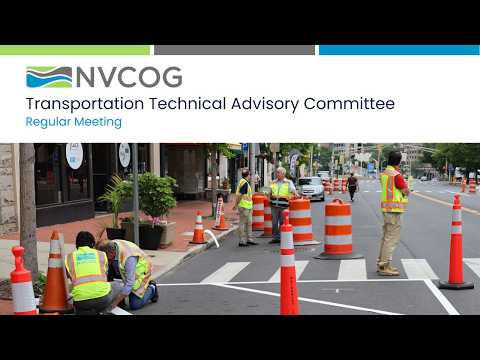
Palmer also described DOT's quick-build program, launched in 2024, which allows short-term street treatments to test designs before committing to larger projects. The pilot permits temporary measures — flexible-post bump-outs and delineators — to be installed seasonally; Palmer said they are typically allowed from May 1 through Oct. 31 to avoid winter plowing conflicts. He cited Bridgeport's Route 130 installations as a local example where temporary measures reduced problematic parking and visibility concerns.
Members asked about encroachment permits, maintenance responsibilities and timing for ADA curb ramps. Palmer said the lead agency depends on the work requested: maintenance generally leads resurfacing projects while encroachment permits are managed by the permit office, and traffic operations supports both depending on the task. He offered to follow up individually on specific local project delays and to share the team's slide deck and contact list by email.
The presentation closed with NVCOG staff noting that materials would also be posted on NVCOG's meeting-history calendar and that DOT staff are available for follow-up discussions.
Next steps: DOT staff will share the slide deck and contact information; towns were encouraged to call or email DOT to check project status or request studies.