Get Full Government Meeting Transcripts, Videos, & Alerts Forever!
Get email alerts on the Budget topic
No spam. Unsubscribe anytime.
Mercer Island board reviews draft 2026–27 budget as state funding and insurance costs squeeze reserves
Summary
District staff presented the draft 2026–27 budget and told the board that slow state revenue growth, rising insurance costs and bus-delivery uncertainty are putting pressure on reserves; staff flagged a potential drop in ending fund balance and said small enrollment gains could shore up reserves.
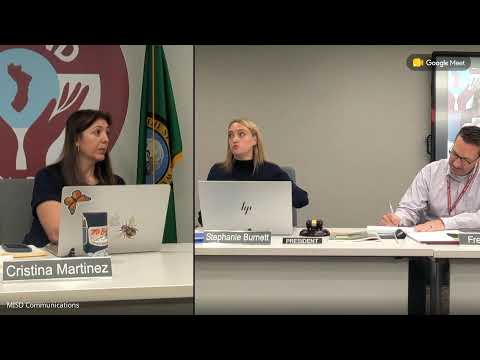
Mercer Island School District staff presented the draft 2026–27 budget at a special study session and told the board the district faces a difficult year as state funding has not kept pace with costs and local expenses such as insurance and utilities have risen. Staff emphasized the budget process timeline, noting a first reading is planned for June 11 and the board is expected to take final action on June 25.
Assistant staff and finance presenters summarized year-over-year expenditure changes across major funds, saying capital spending fell because the Merriwig Pool project is complete while personnel remains the largest share of the general fund. Staff cited OSPI per-student data for 2024–25 and said personnel accounted for about 83% of general-fund spending; the presenter read aloud a figure of $19,890 per student for 2024–25 as posted on the OSPI report card.
On reserves, presenters said that if the year ends with the staff's current estimate of $2,766,000, the district's fund balance would be about 3.48 percent — a decline from roughly 4 percent the prior year — and staff described how modest enrollment gains (the budget conservatively assumes roughly 30 additional students) would add to reserves because staffing was set to current budgeted enrollment.
The board pressed staff on transportation assumptions. Staff noted the transportation fund depends on state depreciation payments tied to buses coming off the schedule and that late deliveries can shift costs into different fiscal years; they also warned that replacing diesel buses with electric models raises long-term cost and storage challenges because battery enclosures reduce onboard storage used for student equipment. Staff said the district could reduce a transportation line item if bus deliveries are delayed, but that recurring replacement costs and shrinking depreciation revenue may make a transportation levy a future consideration.
Directors and staff also discussed a substantial increase this year in the district's insurance premiums through its risk pool; while the district's increase was lower than some peers, several board members expressed concern about sustained double-digit risk-pool increases and the difficulty of switching pools because of multi-year agreements.
Student fees were also reviewed: staff said the high school proposed raising parking infraction fees and that administrators and the student senate had been consulted about several fee changes tied to inflation for field and athletic activities. Staff said changes to ASB expenditures reflect trips and fundraising plans at the schools.
Staff closed by noting statutory reporting requirements and the four-year budget plan the state requires; they invited board questions and said they will return items for the June 11 first reading and the June 25 final action.
"We certainly don't want surprises on June 11 when you'll have the first reading on the resolution," a presenter said, adding that the goal is a collaborative process. The board scheduled follow-up work and staff will provide updated enrollment and insurance information at future meetings.