Get Full Government Meeting Transcripts, Videos, & Alerts Forever!
Get email alerts on the Labor And Governance topic
No spam. Unsubscribe anytime.
Teachers’ guild and public urge Oyster River board to pause policy changes and address staff-survey concerns
Summary
Union representatives and dozens of community members used both public-comment periods to urge the Oyster River board to halt policy proposals affecting working conditions until bargaining units are involved, press for transparency on a climate-and-culture staff survey, and demand stronger action on superintendent leadership and staff morale.
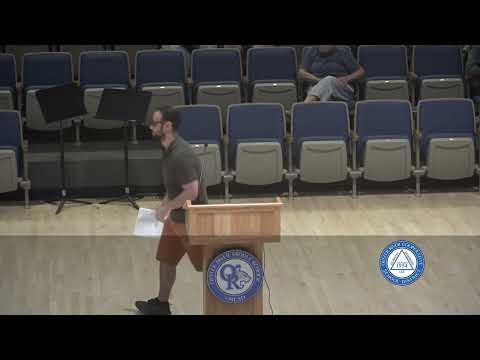
Multiple speakers at the June 3 Oyster River school-board meeting urged the board to stop or pause policy actions that union representatives say would change working conditions without bargaining and demanded timely responses to a district staff-survey that community members said has not been addressed.
Krista Butts, speaking on behalf of several associations including the Oyster River Teachers Guild and the Oyster River Bus Drivers Association, told the board the groups "are here to formally register our strong objection to several policy proposals currently before this board" and requested the board pause policy action "until the parties have entered into meaningful negotiation with all affected bargaining units." Butts named policies identified in the packet—citing GCR (non-school employment by professional staff), GBGA (staff health/medical examination requirements), and GCNA (supervision of certified staff)—and warned the associations "reserve the right to file an unfair labor practice charge with the New Hampshire Public Employee Labor Relations Board" if the district adopts changes without bargaining.
Public commenters across both comment periods echoed frustration over the district's handling of staff concerns. Colin Blake Butler told the board it should have "restricted this superintendent's authority" and said the superintendent had not followed through on promised staff listening sessions; Barbara Jones and others described the workplace as "toxic" and urged immediate steps to support teachers. Kalika Bauer questioned the timing of a strategic plan roll-out while the superintendent’s leadership and staff-welfare questions remain unresolved.
Board members acknowledged the concerns: in response to public and union remarks, the board tabled a set of policy adoptions for further review (a motion for second reading of certain policies failed for lack of a second at the meeting) and the chair invited email suggestions and policy-committee review of public-comment format and policy language. The union leaders thanked the board for tabling those policies during the meeting.
No formal personnel action was taken at the session; the board later moved to a nonpublic session under RSA 91 a 3 l for consideration of legal advice. Several speakers said they expect a faster timeline and clearer communications about the board’s response to the staff survey and next steps on bargaining and potential unfair-labor filings.