Get Full Government Meeting Transcripts, Videos, & Alerts Forever!
Get email alerts on the Early Literacy topic
No spam. Unsubscribe anytime.
Presenters: 1st- and 2nd-grade VALS results show mixed spring gains, tutors and EL/SWD remain priorities
Summary
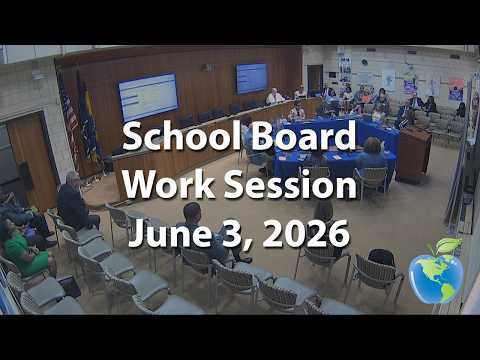
At a June 3 Norfolk Public Schools work session, administrators reported spring VALS results showing slight increases in students in the high‑risk literacy band for 1st (30.7% → 33.9%) and 2nd grade (28% → 30.5%), while year‑over‑year measures show more students in the low‑risk band. Leaders said targeted tutoring, filling hourly tutor vacancies, and supports for English learners and students with disabilities remain priorities.
Miss McGarity presented the Norfolk Public Schools spring interim measure 2.1, which tracks early literacy using the Virginia Language and Literacy Screener (VALS), and said 1st‑ and 2nd‑grade cohorts showed small increases in the percentage of students in the high‑risk performance band between winter and spring.
The presentation said 1st grade moved from 30.7% to 33.9% in the high‑risk band and 2nd grade from 28% to 30.5%. Administrators cautioned that although those spring increases occurred, year‑over‑year comparisons show more students in the low‑risk band than the same time last year, which the presenters said indicates overall growth. The division noted that many students in the high‑risk band are clustered at the upper end of that band — closer to the cusp of moderate performance — rather than the most intensive range, suggesting incremental progress rather than regression.
Board members pressed the administration on how tutors are assigned and whether vacancies reduce program effectiveness. Presenters said early‑literacy tutors are hourly, rotational roles and assignments are redistributed annually based on a rank‑ordering that combines student counts, performance data and demographic indicators; the division also monitors special education and English‑learner needs when placing tutors. Administration acknowledged there are vacancies in some tutor positions and said filling them is a priority.
The board asked which student groups are most likely to remain in the high‑risk band; administrators singled out English learners and students with disabilities as groups where progress is slower and more incremental. Staff said they use targeted interventions and professional development (aligned with the Virginia Literacy Act) and will continue structured training through the summer to strengthen evidence‑based instructional practice.
On sustaining gains, the administration said it has begun examining third‑grade indicators — spelling, decoding and retelling — to better understand why some students do not maintain early progress. Officials said they do not yet have precise sustainment percentages and will continue to monitor cohorts over time.
The presentation closed with a commitment that the English office, Title I staff and school leaders will continue to analyze VALS data to refine supports and placement of tutoring resources. Board members did not take formal action at the session; the discussion will inform ongoing staffing and summer professional development plans.