Get Full Government Meeting Transcripts, Videos, & Alerts Forever!
Get email alerts on the Small Business Policy topic
No spam. Unsubscribe anytime.
Rep. Roger Williams credits 'big beautiful bill' for small‑business gains, urges steps to ease farmer costs
Summary
Rep. Roger Williams, chair of the House Small Business Committee, said the recent Republican package codified taxes and cut regulations that help small businesses and community banks. He also described rising input costs facing farmers and called for lower interest rates and inventory rebuilding to reduce prices.
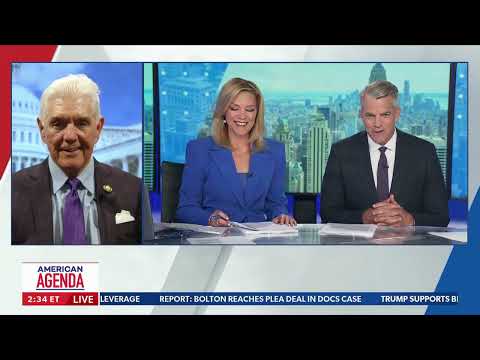
Rep. Roger Williams, chair of the House Small Business Committee, told hosts in a radio interview that Republicans can do a better job explaining how a recent ‘‘big beautiful bill’’ supports Main Street businesses and rural producers.
"The big beautiful bill is the message," Williams said, adding that the package "codified the taxes" so small businesses know what they will owe and that lawmakers removed regulations affecting community banks. "We were losing community banks every single day because they're having to meet so many regulations from the Biden administration," he said.
Williams, who identified himself as both a longtime business owner and a farmer, cited 100% expensing as an example of a tax change that benefits firms and said the bill includes provisions he described as saving "the family farm" by altering inheritance/estate tax rules. He connected expectations about lower energy costs — if the situation with Iran improves — to a potential further boost in the broader economy: "When that happens, energy prices are gonna plummet, and we're gonna have an economy like we haven't seen in a while," he said.
Asked about farmers' immediate challenges, including high fertilizer prices, Williams said producers are facing sharply higher costs of goods sold and constrained cattle inventories. "Farmers are letting them stay in the pasture longer to get heavier rather than take them to market," he said, and urged policies that would lower financing costs and encourage selling and rebuilding inventories so discounts can reappear in the market.
Williams suggested monetary relief — "let's cut interest rates" — and increased production and sales as means to ease price pressures. He framed those steps as part of a broader effort to reduce costs for Main Street America.
The interview closed with the hosts thanking Williams. The segment included references to national figures; a host mentioned President Trump and a Treasury official named in the transcript as "Scott Bisson," and Williams concluded, "Thank you, and God bless."